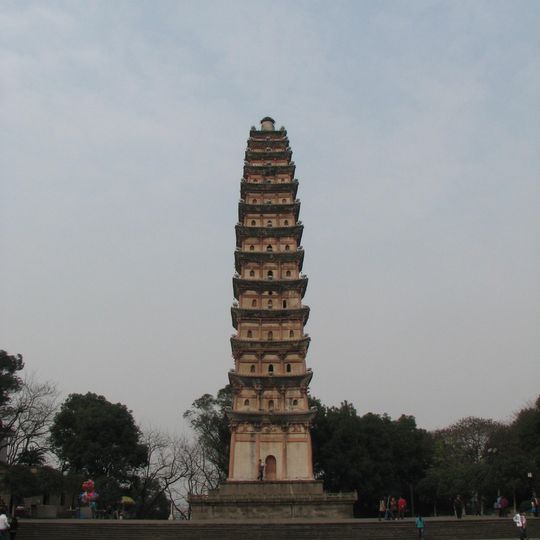
Wuliangbao Pagoda, Buddhist pagoda in Nanchong, China
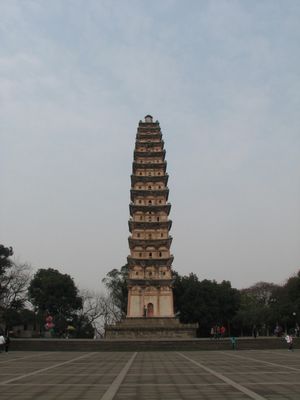
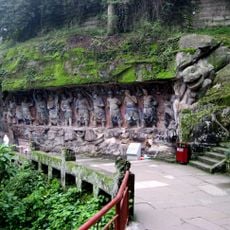
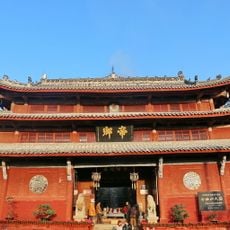
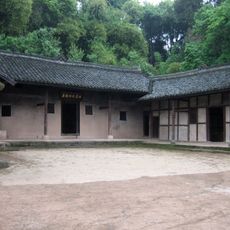
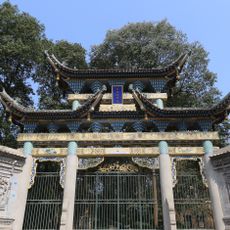
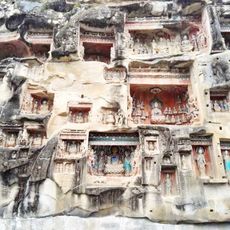
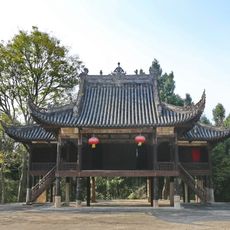
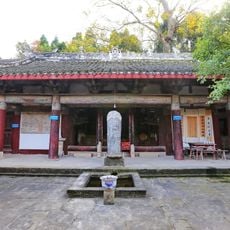
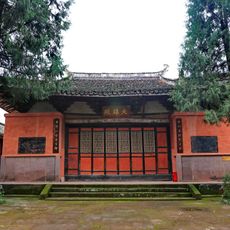
The Wuliangbao Pagoda is a multi-tiered Buddhist structure set within the Longxing Temple complex, with each level topped by curved roofs and decorated with intricate carved elements. The tower stands as a solid example of traditional Chinese Buddhist architecture, built using stone and featuring ornamentation that reflects both structural and decorative mastery.
The pagoda was built during an earlier era of Chinese imperial history and has remained a landmark of the temple complex for centuries. A major earthquake in 1786 caused significant damage to the northeastern corner, which collapsed completely and required subsequent repairs.
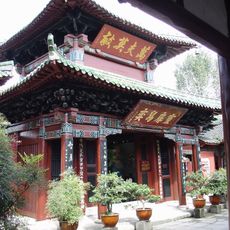
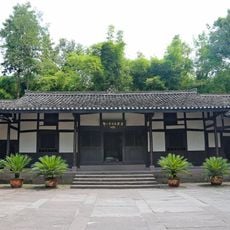
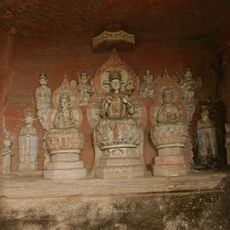
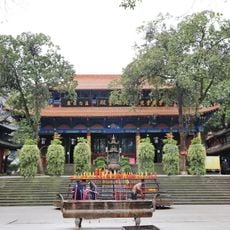
The pagoda serves as a center for Buddhist religious practice in the region, where visitors can observe or participate in traditional ceremonies. The temple grounds around it remain an active place of worship where local Buddhist traditions continue to be practiced today.
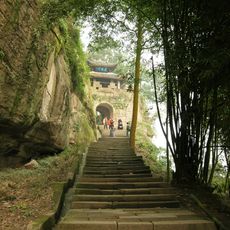
Guided tours are available to explain the architectural features and provide historical details about the structure. Visitors should wear comfortable shoes and be prepared to climb multiple levels of stone stairs, which can be slippery in wet conditions.
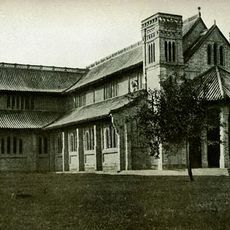
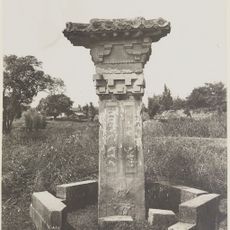
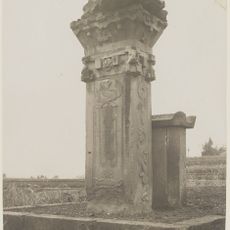
American photographer Luther Knight captured images of the pagoda in 1913, creating a valuable historical record that survives in published collections today. These photographs offer a rare glimpse of how the structure appeared in the early 20th century.
The community of curious travelers
AroundUs brings together thousands of curated places, local tips, and hidden gems, enriched daily by 91,807 contributors worldwide.