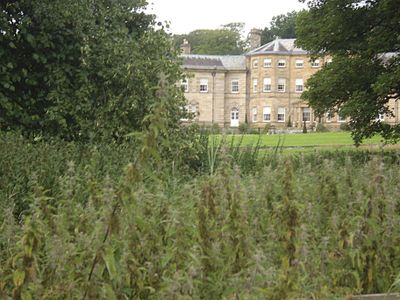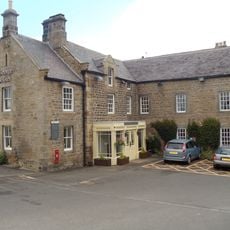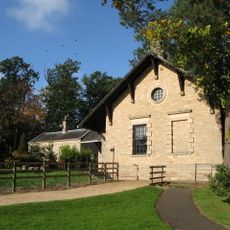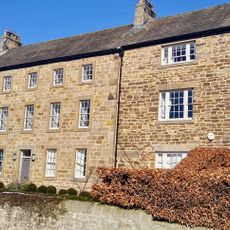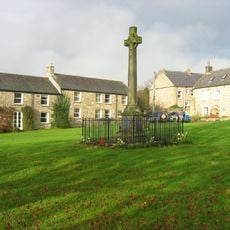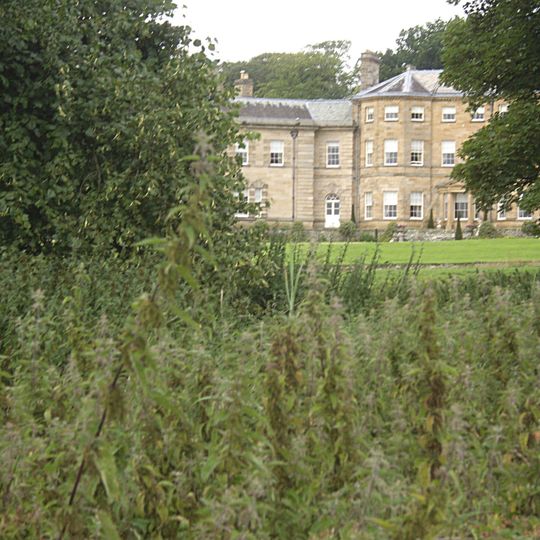
Chesters, Grade II* listed mansion in Humshaugh, England.
Chesters is a three-storey mansion arranged with four bays and five two-storied wings, three of which project diagonally from the main block. The arrangement creates varied facades and internal spaces that make the building appear larger and more complex than a simple rectangular structure.
Architect John Carr designed and built the mansion in 1771 for John Errington as a country residence. Norman Shaw, a celebrated designer, undertook major renovations and additions in 1891 that transformed the building's appearance and added its distinctive diagonal wings.
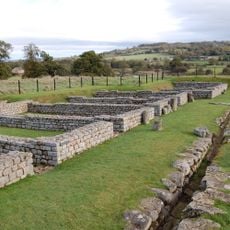
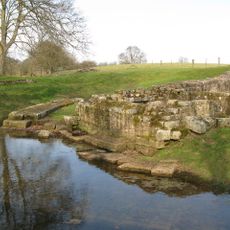
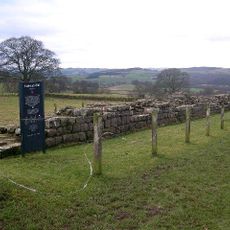
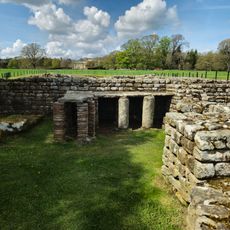
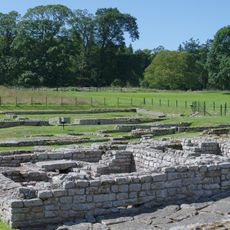
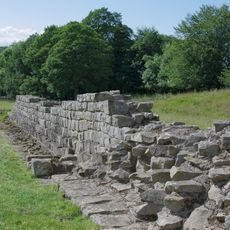
The mansion houses a remarkable collection of Roman artifacts discovered during excavations at the nearby Roman fort. These objects connect the property to the area's ancient past and reflect how one family's interests shaped what visitors encounter today.
The mansion remains a private residence that can be viewed from outside, while the Roman artifact collection is displayed in a separate museum located on the grounds. The museum provides a nearby way to learn more about the archaeological discoveries from the area.
Norman Shaw's design of the diagonal wings created sunlit spaces on the south and west facades using what is sometimes called a butterfly plan. This unusual approach allowed the house to capture light and air while creating separate zones within a single complex form.
The community of curious travelers
AroundUs brings together thousands of curated places, local tips, and hidden gems, enriched daily by 92,369 contributors worldwide.