Chesters Roman Fort, Roman fort and museum in Northumberland, England
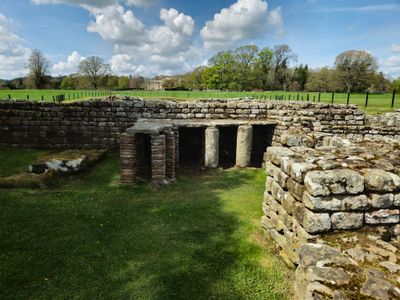
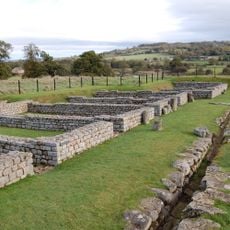
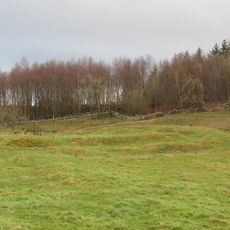
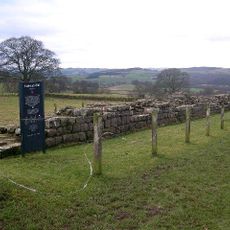
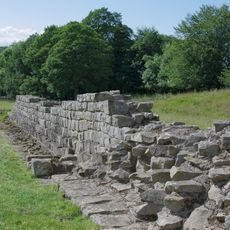
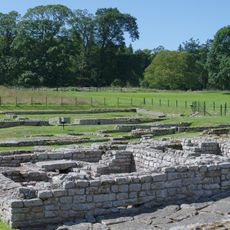
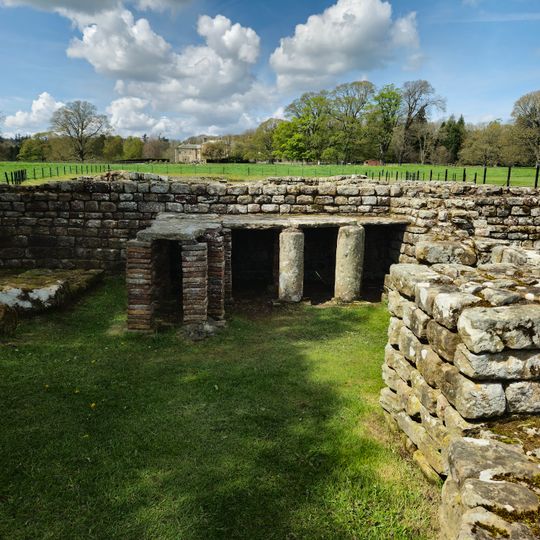
Chesters Roman Fort is a cavalry fort with preserved military barracks, defensive walls, and a bathhouse situated along the North Tyne River. The remains reveal the layout of a Roman military installation with its distinct functional zones.
The fort was founded in the 120s as part of Hadrian's Wall defensive system and housed around 500 cavalry soldiers from the ala Augusta unit. The installation played a key role in securing Roman Britain's northern frontier.
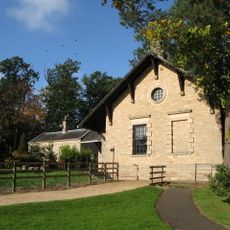
The Clayton Museum displays artifacts found during excavations, including jewelry, decorated pottery, and inscriptions that tell the story of daily Roman life at the fort. Visitors can see how soldiers used the space through the items they left behind.
The site is accessible year-round, with daily access from April to September and weekend hours during winter months. Visitors should wear suitable footwear for uneven terrain and allow time to explore both the ruins and the museum.
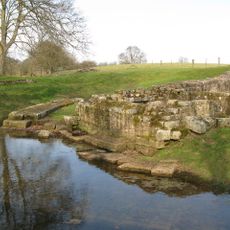
The bathhouse preserves original water channels and heating systems that show how Romans created comfort at a remote frontier post. These engineering features reveal the sophisticated technology that the legions employed even in distant outposts of the empire.
The community of curious travelers
AroundUs brings together thousands of curated places, local tips, and hidden gems, enriched daily by 90,876 contributors worldwide.