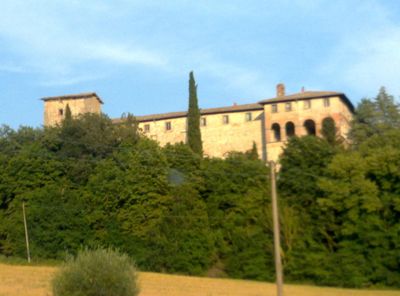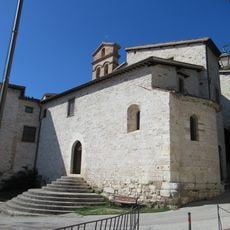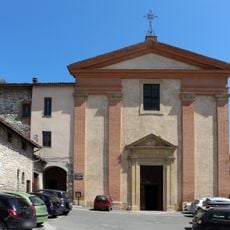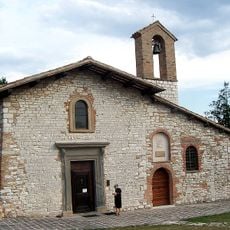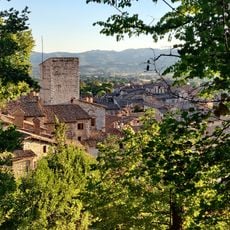
Castel d'Alfiolo, building in Gubbio, Italy
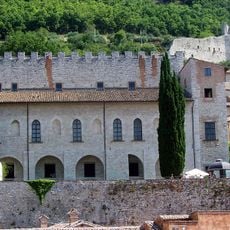
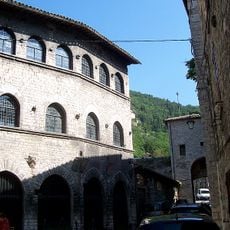
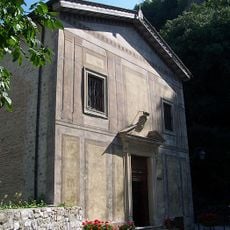
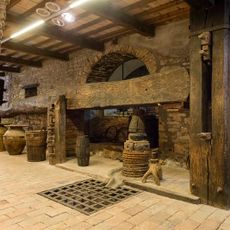
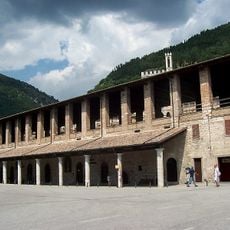
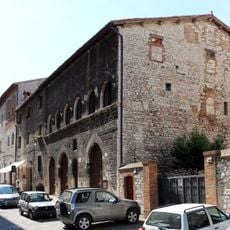
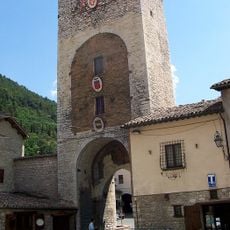
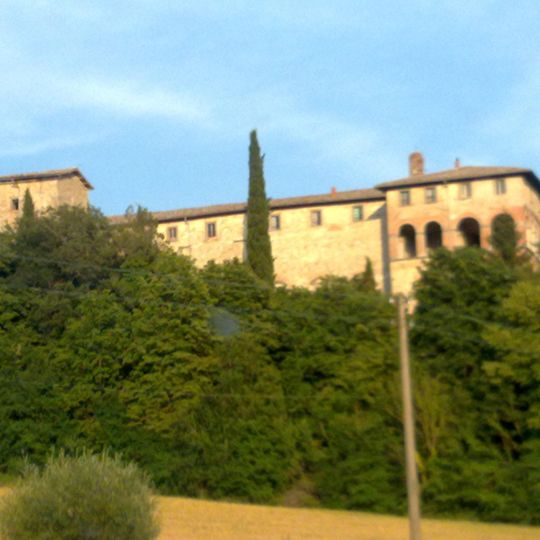
Castel d'Alfiolo is a stone castle near Gubbio built on elevated terrain with thick walls and a rectangular fortified layout. Inside there are multiple courtyards, underground cellars, a small chapel, and towers that form a unified defensive structure around a central cloister.
Built around 1000 by the counts of Alfiolo following Emperor Otto II, the castle was constructed along the road to Gualdo Tadino. In the 12th century it became a Benedictine monastery, later passed to the bishops of Gubbio, and underwent Renaissance modifications by 1539 that shaped its current appearance.
The castle served as a Benedictine monastery where monks worked the land and operated workshops for the community. The drainage work they undertook transformed the swampy territory below, which still bears the name Padule, meaning swamp in the local dialect.
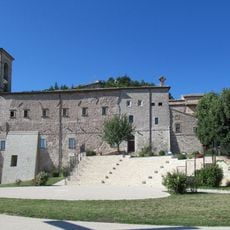
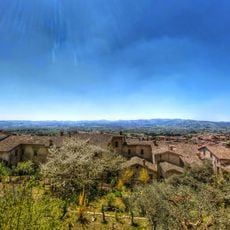
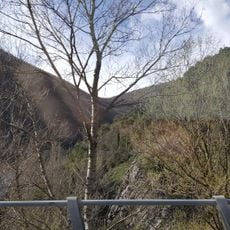
The site is surrounded by thick stone walls and towers, so walking around the perimeter offers the best views of the architectural elements and fortifications. The surrounding area is flat and open, with small farmhouses scattered nearby and a small lake that adds to the landscape.
A well was constructed in the courtyard in 1537 by a Jewish craftsman named Benedictus Solomonis, whose name and date remain inscribed on the stone. This detail reveals how diverse communities contributed to the site's story across the centuries.
The community of curious travelers
AroundUs brings together thousands of curated places, local tips, and hidden gems, enriched daily by 92,885 contributors worldwide.