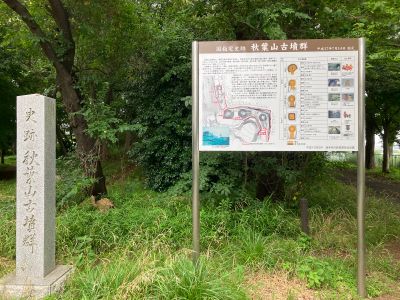
Akibayama Kofun Cluster, Ancient burial mounds in Kami-imaizumi, Japan
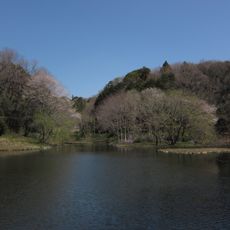
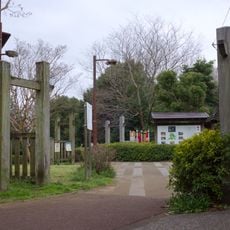
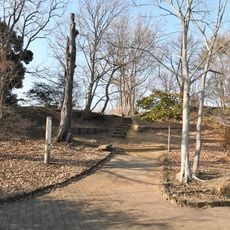
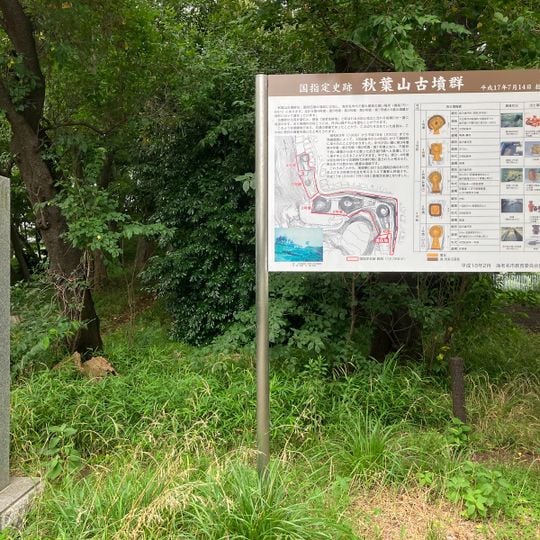
The Akibayama Kofun Cluster comprises six burial mounds spread across a hilltop at an elevation of 75 to 80 meters (246-262 feet). The mounds vary in shape, with some displaying distinctive keyhole patterns, and contain pottery, ritual vessels, and ceremonial objects discovered during archaeological work.
The mounds were built between the late Yayoi period and early Kofun period, roughly from the late 3rd to the 4th century. This era marks a shift in how communities organized burials and reflected emerging social hierarchies in eastern Japan.
The burial mounds reflect how an early community organized its sacred spaces, with specific shapes designed for ritual purposes that visitors can see in the landscape. The placement on a hilltop and the careful arrangement of six distinct mounds suggest beliefs about death and the afterlife that shaped how people lived in this region.
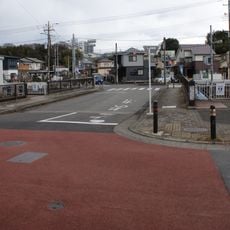
The site is accessible by community bus from Ebina Station, with the dedicated stop 'Akibayama Kofungun' a short walk away. The location sits on a hilltop, so visitors should be prepared for steps and uneven ground when exploring the mounds.
The third mound is among the earliest keyhole-shaped tombs in eastern Japan, offering insight into how burial practices evolved during this transition period. Its presence here helps archaeologists understand regional differences in tomb design across Japan.
The community of curious travelers
AroundUs brings together thousands of curated places, local tips, and hidden gems, enriched daily by 91,817 contributors worldwide.