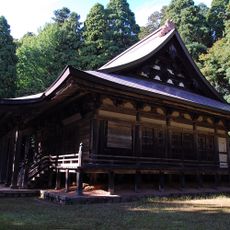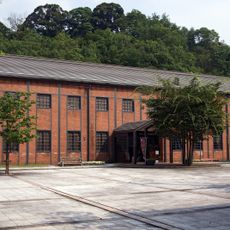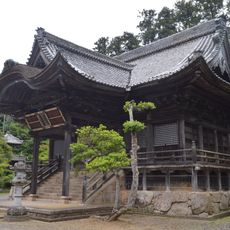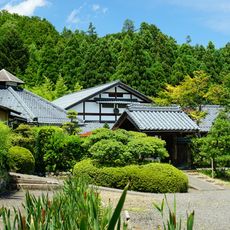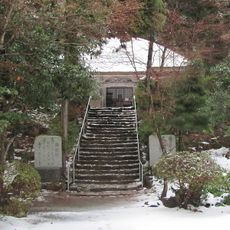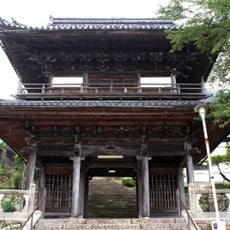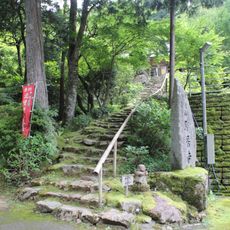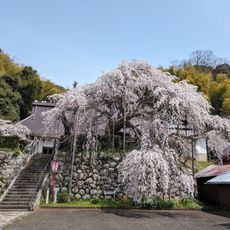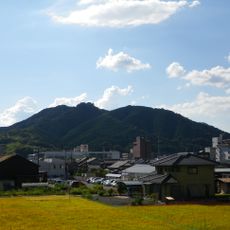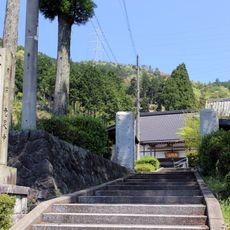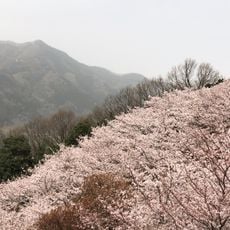
Kongō-in, Buddhist temple in Maizuru, Japan.
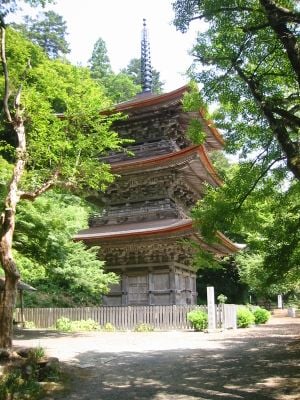
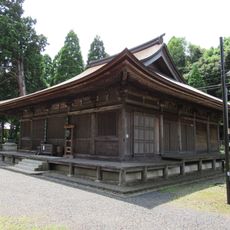
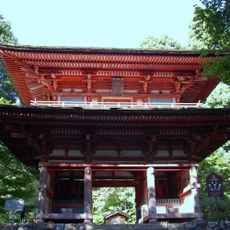
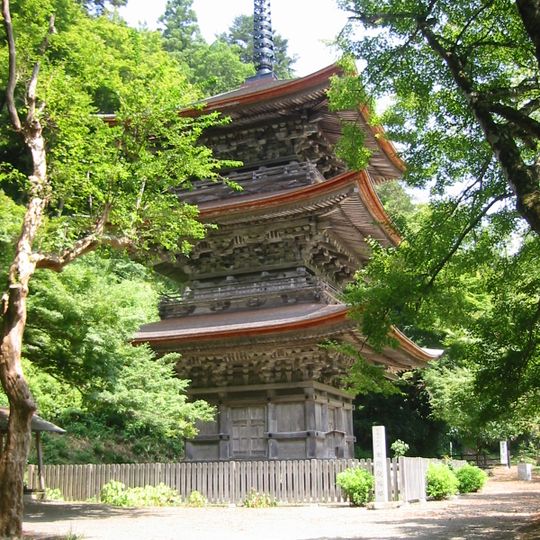
Kongō-in is a Buddhist temple in Maizuru, in the northern part of Kyoto Prefecture, built around a three-story pagoda that holds the status of National Important Cultural Property. The compound includes several wooden halls arranged across a wooded plot, with maple trees lining the paths between the buildings.
The temple was founded in 829 by Prince Takagake during the Heian period, and it was later restored under Emperor Shirakawa, which shaped much of its current layout. Over the following centuries, the site gathered artworks and ritual objects that are still held within the complex today.
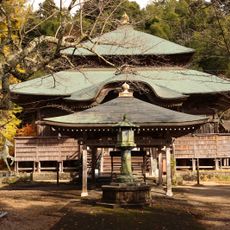
The name Kongō refers to a Sanskrit term meaning diamond or thunderbolt, pointing to the temple's Vajrayana Buddhist roots. Visitors can notice this connection in the decorative motifs carved into the wooden structures of the main hall.
The temple is in a calm part of Maizuru and can be explored on foot, though some paths have uneven surfaces and slight slopes. Comfortable shoes are a good idea, and leaving enough time to walk around the full grounds without rushing makes the visit more enjoyable.
The temple is one of the stops on a regional pilgrimage route that links several sacred sites across the area, and some visitors come specifically to walk the full circuit on foot. On certain days, it is possible to see pilgrims dressed in traditional white robes making their way through the grounds.
The community of curious travelers
AroundUs brings together thousands of curated places, local tips, and hidden gems, enriched daily by 92,336 contributors worldwide.