Hirano Tsukaanayama Kofun, Ancient burial mound in Kashiba, Japan
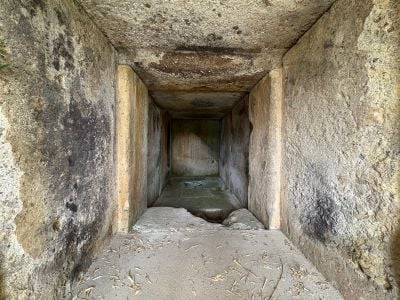
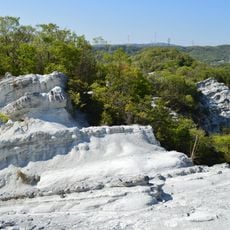
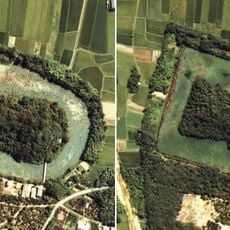
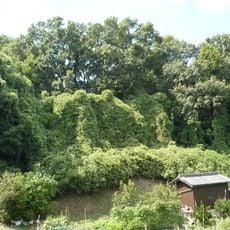
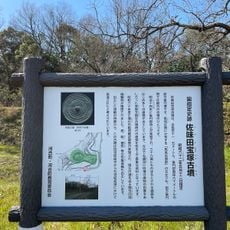
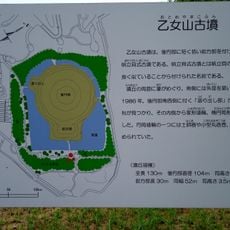
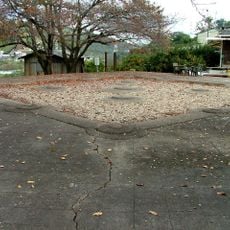
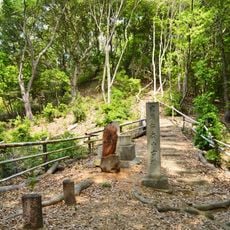
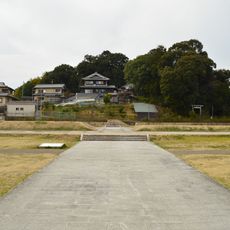
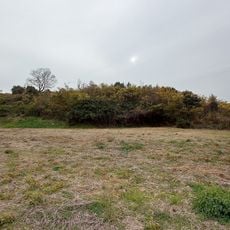
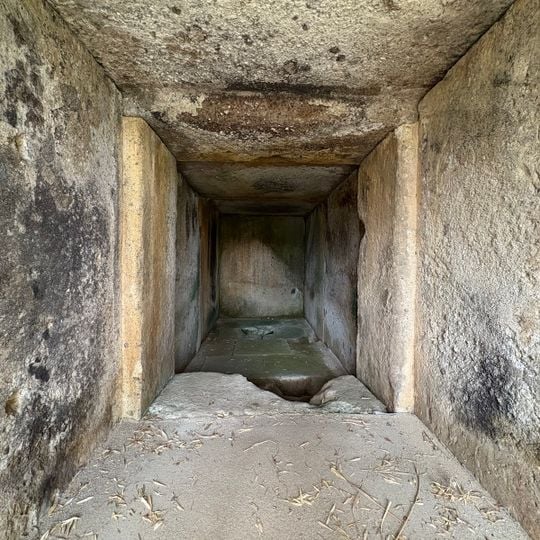
Hirano Tsukaanayama Kofun is a square-shaped burial mound in Kashiba constructed with a stone chamber built from tuff stones. The underground chamber, accessed through the mound, displays the architectural methods used during its time period.
The mound was built in the late 7th century during the final stage of the Kofun period, when monumental burials were falling out of use. It reflects how funerary practices were evolving in this region at that time.
Excavations at the site revealed numerous artifacts including copper items, earrings, lacquered objects, and deer skull remains that indicate specific burial customs.
The site is publicly accessible and has been designated as a National Historic Site since 1973. Visitors can explore the mound and chamber year-round, though paths may vary with the seasons.
Excavations uncovered copper items, earrings, and deer skull remains that reveal details about burial practices at this specific time. These findings help explain how people honored their dead in this part of Japan.
The community of curious travelers
AroundUs brings together thousands of curated places, local tips, and hidden gems, enriched daily by 92,373 contributors worldwide.