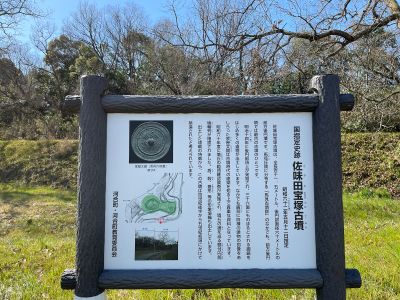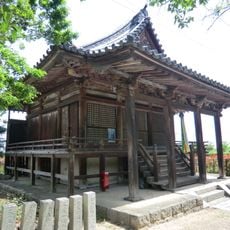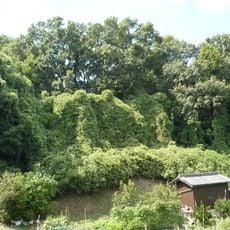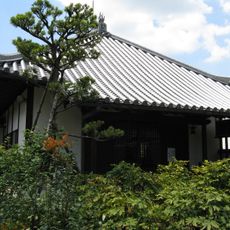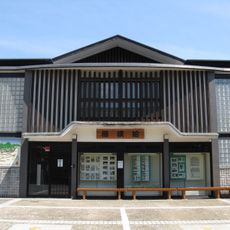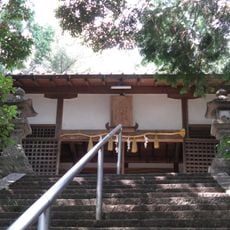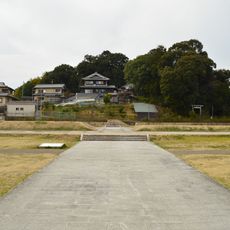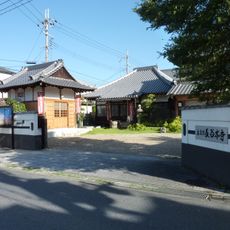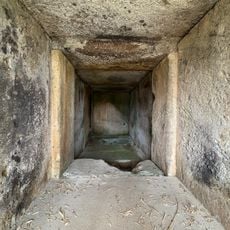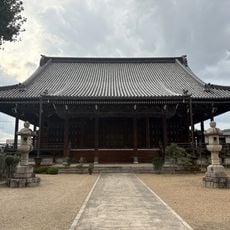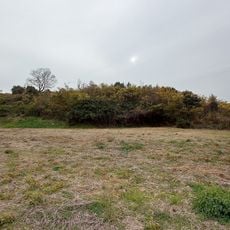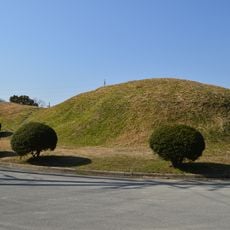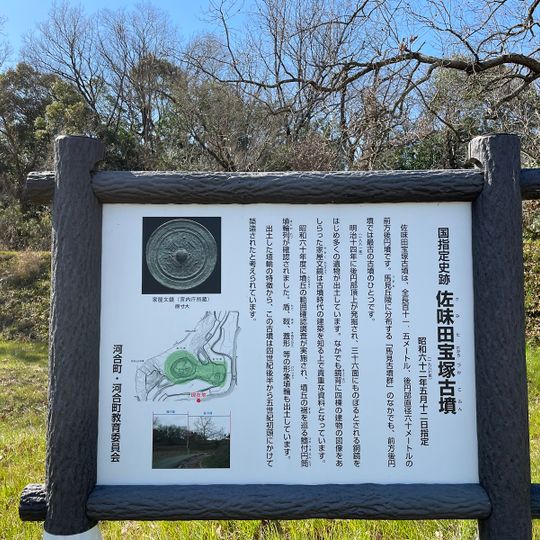
Samita Takarazuka Kofun, Keyhole-shaped burial mound in Sakai, Japan.
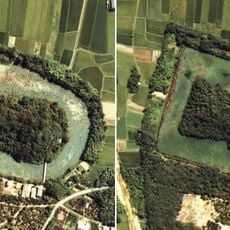
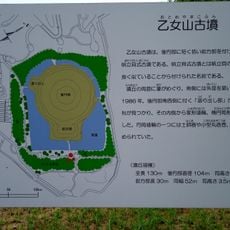
Samita Takarazuka Kofun is a burial mound with a distinctive shape featuring a square front section connected to a circular rear portion by a narrow passage. The entire structure forms a keyhole-like outline when viewed from above, representing a typical design from this burial period.
This burial mound was constructed between the 3rd and 7th centuries during a major period of Japanese history. It represents an era when such monumental tombs served as visible markers of power and social standing in ancient Japanese society.
The name carries local meanings tied to ancient practices and beliefs of the region. Today visitors can walk around the mound and sense how such structures reflected the importance of certain people in their communities.
The site is accessible for exploration on foot, allowing visitors to walk around and observe the mound's distinctive shape from ground level. It helps to check in advance if guided tours are available, as they provide deeper insights into the site's historical significance.
Archaeological excavations at this location have uncovered ceremonial objects and artifacts that reveal details about ancient burial practices. These discoveries help researchers understand the lives and beliefs of those who built and used this monument centuries ago.
The community of curious travelers
AroundUs brings together thousands of curated places, local tips, and hidden gems, enriched daily by 91,984 contributors worldwide.