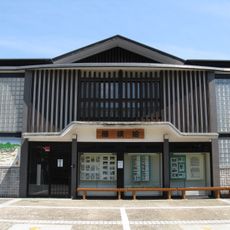
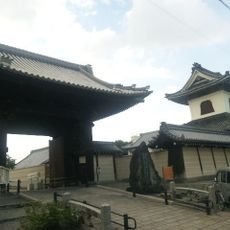
百済寺, Buddhist temple in Kōryō, Japan
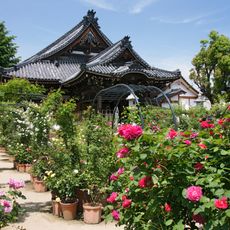
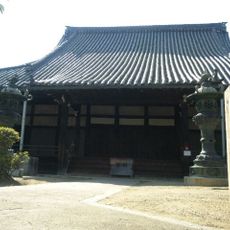
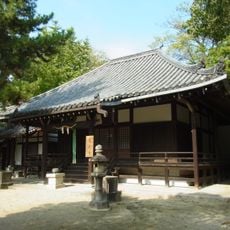
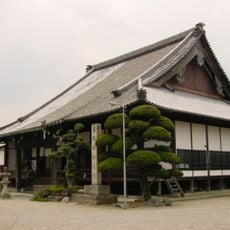
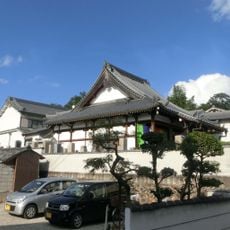
Kudara-ji is a Shingon temple in Kōryō whose grounds hold only a small main hall and a three-story pagoda. The pagoda, built in the mid-Kamakura period and designated an Important Cultural Property in 1906, is the temple's chief structure. The main hall, called Taishokukan, is said to have been moved here from Tanzan Shrine. The temple has no mountain name and is managed by the neighboring Kasuga Wakamiya Shrine.
The temple's founding date and circumstances are unknown. Tradition links the site to Kudara Ōdera, a 7th-century state temple that was moved and renamed before becoming Daian-ji in Nara; the Nihon Shoki records that in 639 Emperor Jomei ordered a great palace and great temple built beside the Kudara River. Since 1997, excavations at Kibiike Haiji in Sakurai have made that site the likelier location of Kudara Ōdera. In the Muromachi period this temple belonged to Tōnomine, and by the Tenpō era (1830–1844) only two sub-temples remained.
The main hall is called Taishokukan and is said to have been moved here from Tanzan Shrine. The temple now consists only of this hall and a three-story pagoda, and it is managed by the neighbouring Kasuga Wakamiya Shrine, whose office continues the former Nakanobo sub-temple.
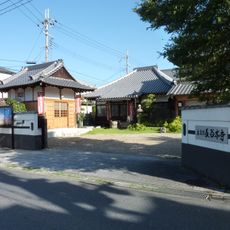
The temple stands in the Kudara district of Kōryō, reached on foot in about 30 minutes from Matsuzuka Station on the Kintetsu Osaka Line. Only the three-story pagoda and a small main hall remain, and the neighbouring Kasuga Wakamiya Shrine manages the grounds.
The temple keeps only its three-story pagoda and a small main hall; the neighbouring Kasuga Wakamiya Shrine manages it, and the shrine office is the successor of the former Nakanobo, one of six sub-temples recorded in the early Edo period.
The community of curious travelers
AroundUs brings together thousands of curated places, local tips, and hidden gems, enriched daily by 95,451 contributors worldwide.