Karako-Kagi site, Archaeological site in Tawaramoto, Japan
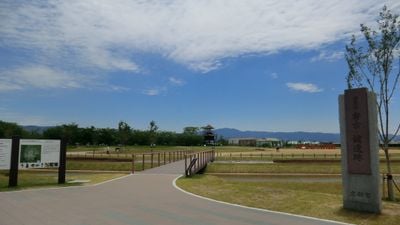
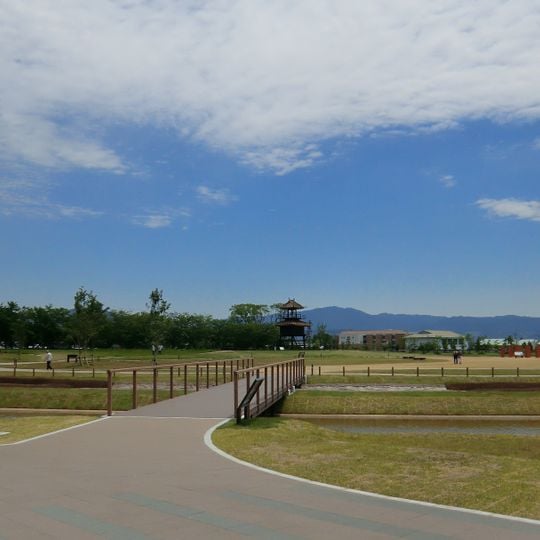
Karako-Kagi is an archaeological site in Tawaramoto, Japan, preserving a settlement surrounded by multiple moats. The central residential area measures about 400 meters in diameter and spans a total of 42 hectares.
The settlement existed between 300 BCE and 300 CE, ranking among the largest residential sites of the Yayoi period. The first major excavation in 1936 brought to light numerous pottery pieces, stone tools, and wooden objects.
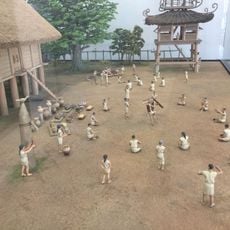
Pottery shards found here show drawings of elevated structures, revealing that people built multi-storied dwellings and had developed skills in woodworking. These images on clay vessels rank among the earliest records of complex timber architecture in the region and reflect everyday life patterns of that era.
The museum displays a wide range of excavated artifacts and offers a detailed view of daily life in this early community. Visitors interested in ancient settlement patterns will find clear reconstructions and thorough explanations on site.
Bronze casting facilities were discovered alongside residential structures, pointing to advanced craft production in the community. Pictorial pottery remains rare, making this one of the most informative Yayoi period sites in the country.
The community of curious travelers
AroundUs brings together thousands of curated places, local tips, and hidden gems, enriched daily by 91,983 contributors worldwide.