Jōshoō-ji, Buddhist temple in Tawaramoto, Japan
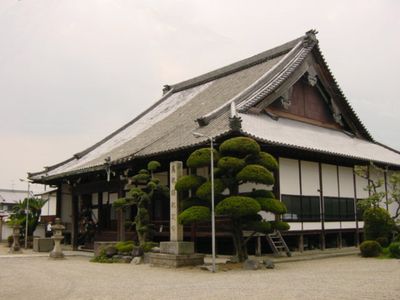
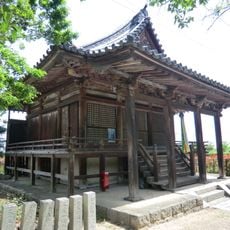
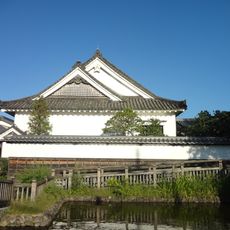
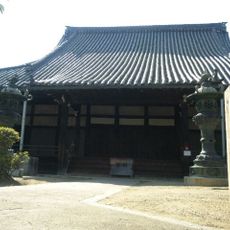
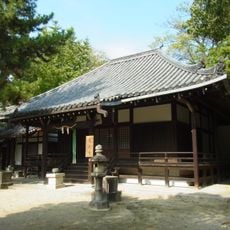
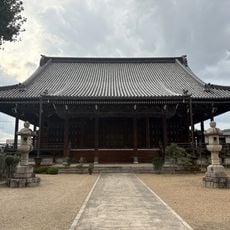
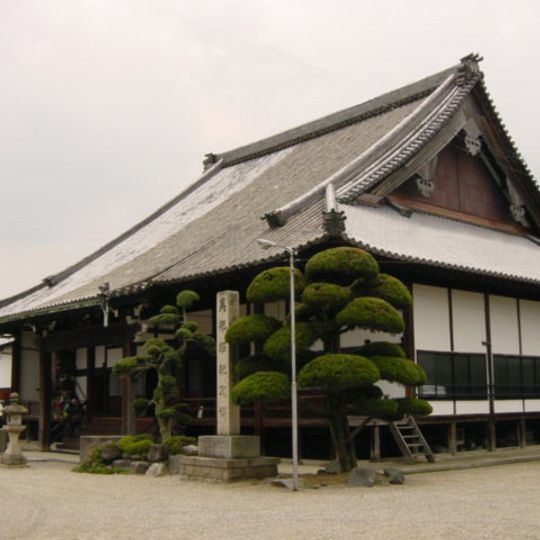
Jōshoō-ji is a Buddhist temple built with wooden structures and curved roofs supported by post and lintel construction. The grounds contain multiple connected buildings arranged around a central courtyard, with a washing station for ritual purification before entering the main hall.
The temple was founded in 1651 during the Edo period, when Buddhist institutions were establishing themselves widely across Japan. This era saw the creation of many rural temples as religious life took on new forms in communities throughout the country.
The temple is dedicated to Amida Buddha, and visitors can see how this devotional focus shapes the layout and decoration of the main hall. The arrangement of altars and statues reflects beliefs that were widespread among Japanese families during the Edo period.
Visitors should wear footwear that is easy to remove, as shoes must be taken off before entering interior spaces. The temple is generally open most days, but it is wise to check ahead if any ceremonies or events are scheduled.
The temple employs traditional carpentry joints that rely on interlocking wood pieces without nails or screws. This craftsmanship has been maintained since its founding and refined through centuries of repairs and conservation work.
The community of curious travelers
AroundUs brings together thousands of curated places, local tips, and hidden gems, enriched daily by 60,000 contributors worldwide.