Hashihaka Kofun, Ancient burial mound in Sakurai, Japan
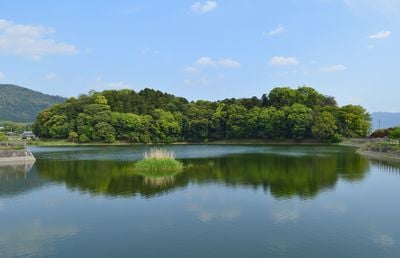
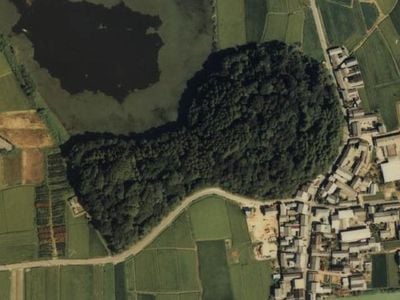
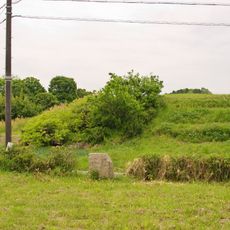
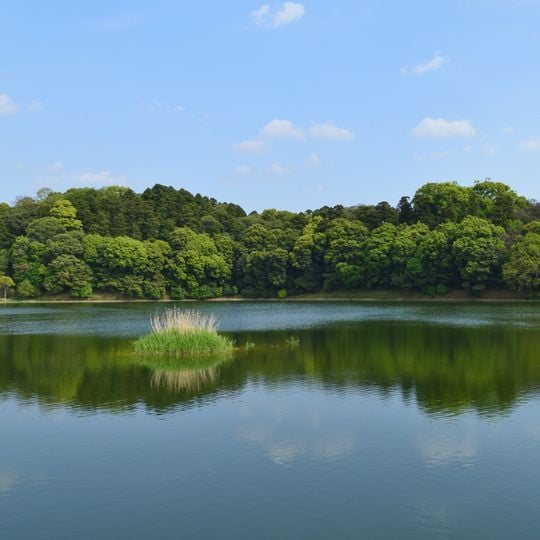
Hashihaka Kofun is a keyhole-shaped mounded tomb in Sakurai, Nara Prefecture, measuring about 278 m long, with a round rear mound roughly 150 m across and 30 m high and a rectangular front section about 130 m wide and 16 m high. The whole mound is covered in dense trees, and its lower edge meets flat fields and a pale curved path, with a small cluster of buildings at the lower right.
The tomb was built roughly in the third century and stands at the start of a new type of burial structure that became the norm in the following centuries. Researchers see it as a sign of emerging centralized rule in the Yamato region.
The name Hashihaka means Chopstick Grave and comes from local tales about Princess Yamato-totohimomosohime-no-mikoto, whose resting place this is believed to be. Visitors see the wooded mound from the outside, as the interior remains closed as sacred ground for the imperial family.
A paved path leads around the outside and allows a view of the shape and size of the wooded mound. Access is free, but climbing or entering the mound itself is not allowed for protection reasons.
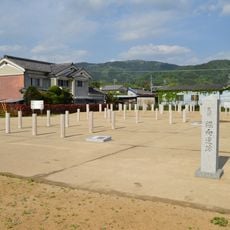
Excavations in the surrounding area brought to light ceramics and metal items from distant regions such as Kibi, pointing to trade links and political contacts in early Japan. These finds document the role of the site as a center for cultural exchange.
The community of curious travelers
AroundUs brings together thousands of curated places, local tips, and hidden gems, enriched daily by 93,341 contributors worldwide.