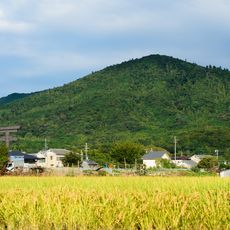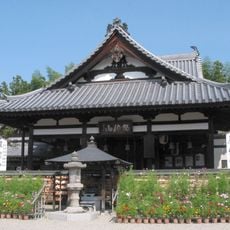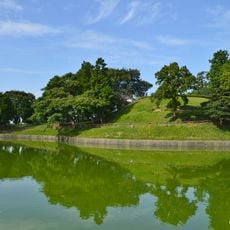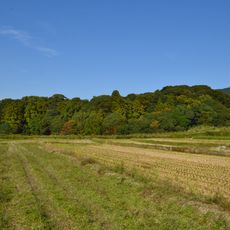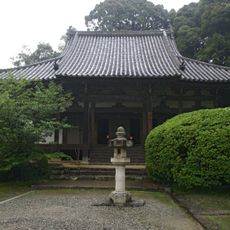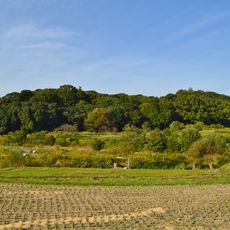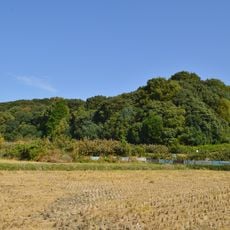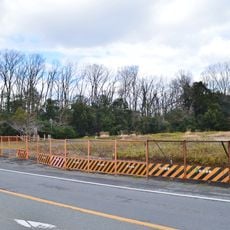
Hokenoyama Kofun, Ancient burial mound in Sakurai, Japan
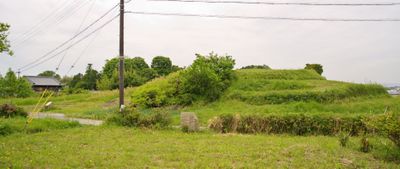
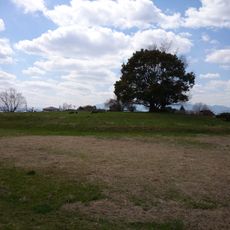
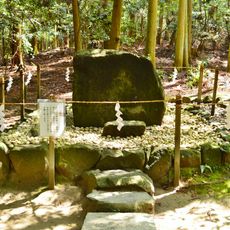
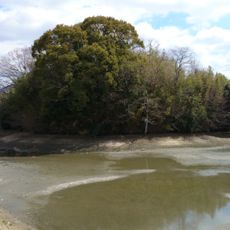
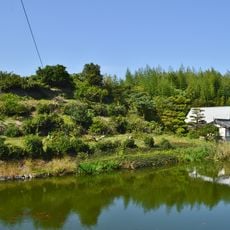
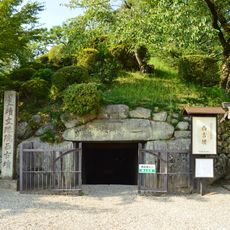
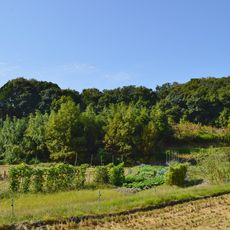
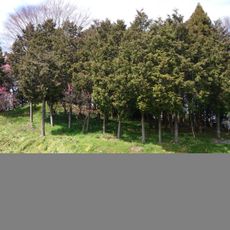
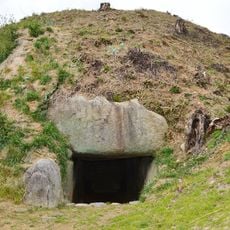
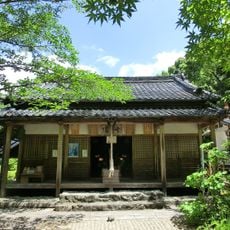
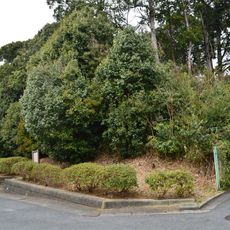
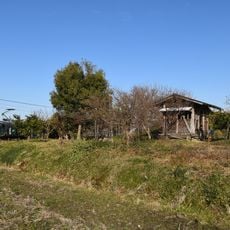
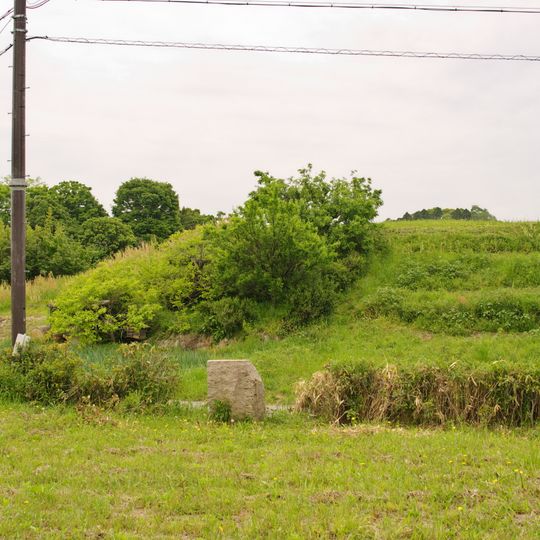
Hokenoyama Kofun is a burial mound with a distinctive keyhole-shaped design typical of early Japanese tomb structures. The site spans about 80 meters and displays the sophisticated construction methods of its period, featuring stone arrangements and chambers beneath the earthen mound.
This tomb was built around 250 AD and stands among the earliest large keyhole-shaped burial structures in the Japanese islands. It appeared during a period when the Yamato kingdom was consolidating power and expanding its influence across the region.
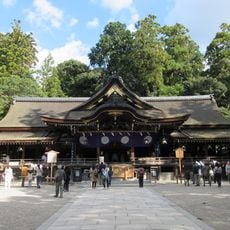
The site's name connects to a local legend about Princess Yamato Totohi Momoso and her ties to the sacred Mount Miwa. This mythological link continues to shape how people in the region understand the place.
The site is accessible by a narrow road, and a small parking area is available for visitors near the entrance. Best visited on quieter days when you can walk around the mound without crowds and take in the surroundings at your own pace.
Excavations in 1995 uncovered wooden coffins, stone-paved floors, and objects from the Tokai region and the Seto Inland Sea. These artifacts reveal trading connections and cultural influences linking different parts of early Japan.
The community of curious travelers
AroundUs brings together thousands of curated places, local tips, and hidden gems, enriched daily by 92,221 contributors worldwide.