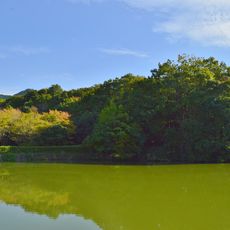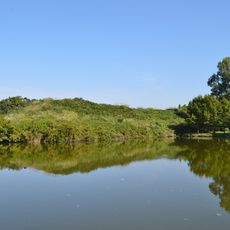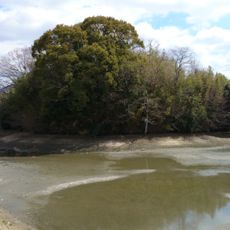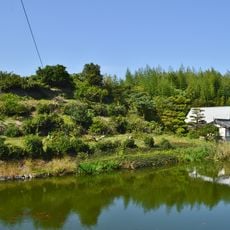
Nishitonozuka Kofun, Ancient burial mound in Sakurai, Japan
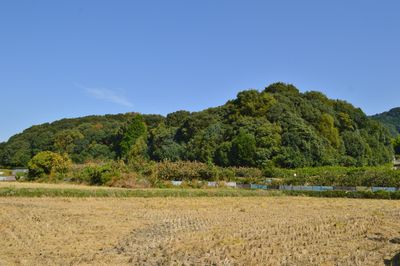
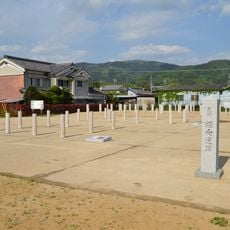
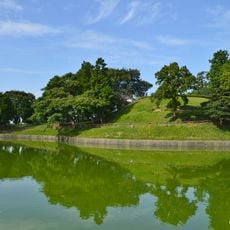
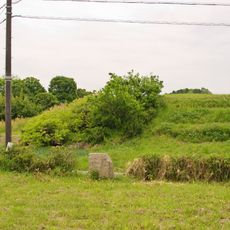
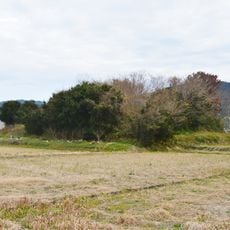
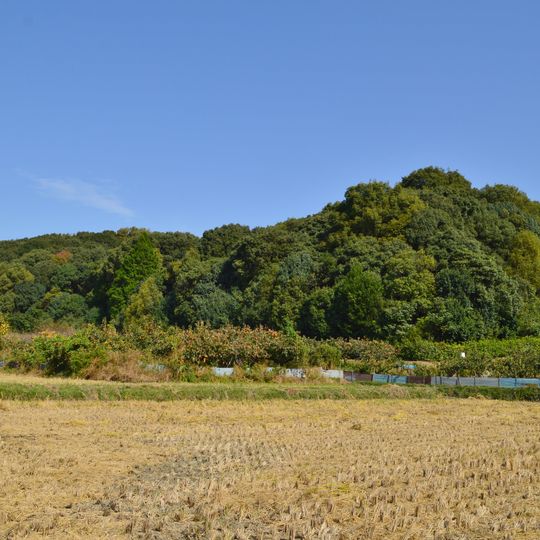
Nishitonozuka Kofun is a keyhole-shaped burial mound from the Kofun period, situated near Sakurai in Nara Prefecture, Japan. It is made of two connected earthen sections, a rounded rear and a trapezoidal front, forming the shape that defines this type of tomb.
This mound was built in the 3rd century, during a period when large earth tombs were being constructed across many parts of Japan. It belongs to a cluster of burial sites around Sakurai that are among the earliest examples of the keyhole tomb tradition.
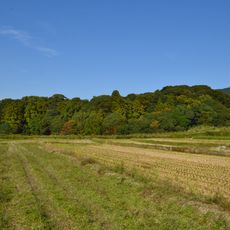
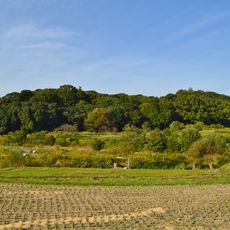
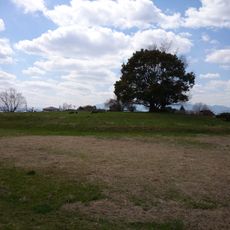
The name Nishitonozuka translates roughly to "west castle mound" in Japanese, pointing to its position beside a paired tomb to the east. Visitors walking the outer path can still read the keyhole outline in the landscape, a shape that was deeply connected to burial rites of the period.
Because this tomb is classified as an imperial burial site, access requires advance permission from the Imperial Household Agency. Planning well ahead is a good idea, as obtaining approval can take some time before your visit.
This mound is said to have been dedicated to a princess and stands directly beside another tomb of similar shape and size, forming a rare paired arrangement. Two nearly identical keyhole tombs placed side by side is something found at very few sites across Japan.
The community of curious travelers
AroundUs brings together thousands of curated places, local tips, and hidden gems, enriched daily by 91,813 contributors worldwide.