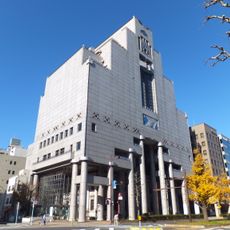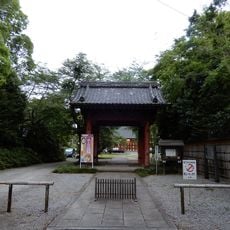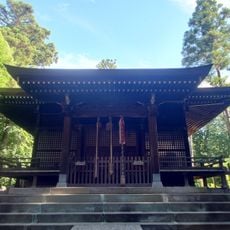
Kasori Shell Mound, Archaeological shell mound in Wakaba-ku, Japan
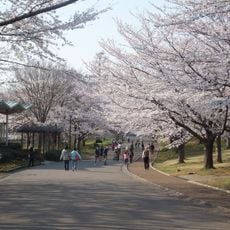
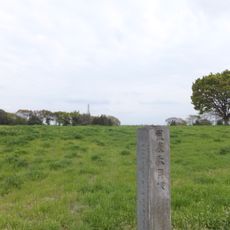
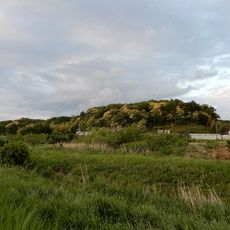
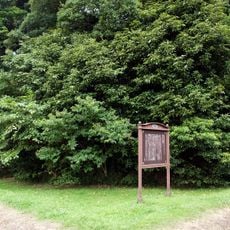
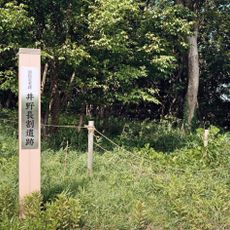
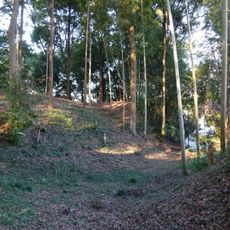
Kasori Shell Mound is an archaeological site with two connected refuse heaps in Wakaba-ku, Japan. The two sections form a shape like the number eight, spread over roughly 13 hectares of open ground with paths running through the area.
Excavation work began in 1924 and uncovered remains from communities during the Middle Jomon period. The finds date back to somewhere between 4000 and 2500 BC and include more than a hundred dwelling pits.
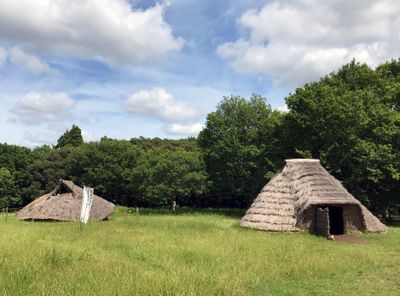
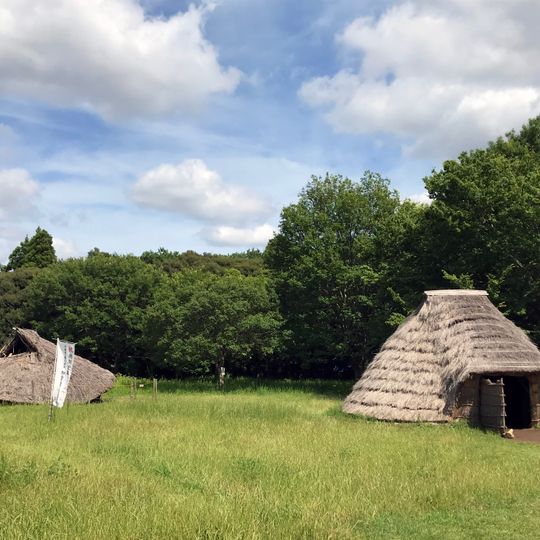
The name comes from the Kasori settlers who fished and gathered shellfish along what was once a shallow bay. Reconstructed pit dwellings show how families lived with sunken floors and thatched roofs made from local grasses.
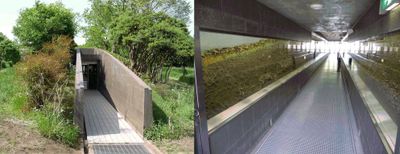
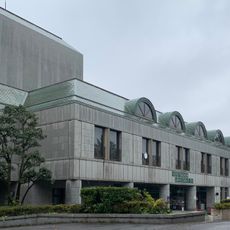
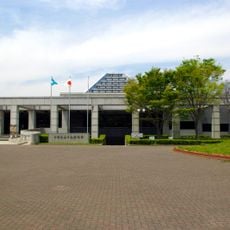
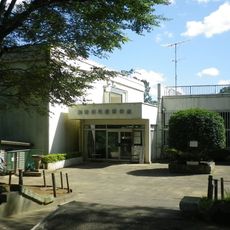
A museum on the grounds displays finds like pottery and stone tools along with rebuilt pit houses. The complex lies about 15 minutes on foot from Sakuragi Station and is reachable by paved paths.
The northern heap measures roughly 130 meters across while the southern part curves like a horseshoe and runs about 170 meters long. Together they form the largest complex of this kind in Japan.
The community of curious travelers
AroundUs brings together thousands of curated places, local tips, and hidden gems, enriched daily by 91,702 contributors worldwide.