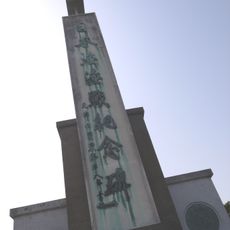
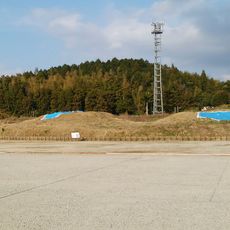
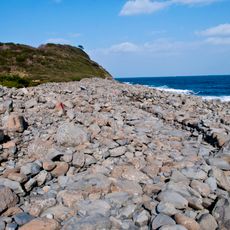
Sakurakyo Kofun, kofun period burial mound in Munakata, Japan
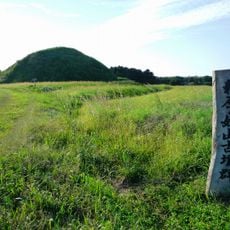
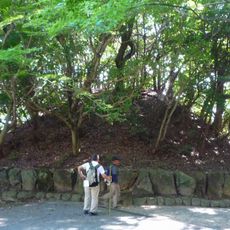
The Sakurakyo Kofun is an ancient burial mound in Japan with a keyhole shape, consisting of a rounded rear section and a square front part connected by a narrow middle section. The structure is covered with earth and grass, and its scale demonstrates the impressive engineering and planning employed in early Japanese construction.
The Sakurakyo Kofun was built at the end of the 3rd century during the Kofun era, when such burial mounds served rulers and powerful families. The keyhole shape emerged as a local building style during this early period and later spread throughout Japan.
The Sakurakyo Kofun reflects how ancient Japanese society honored important figures and maintained respect for their memory through monumental structures. The keyhole shape was a deliberate design choice that communicated the status and power of the person buried inside.
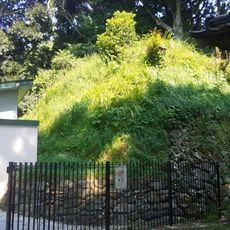
You can explore the Sakurakyo Kofun from the outside by walking around the mounds to view the structure from different angles, as interior access is not permitted. The pathways are straightforward to navigate and information signs help explain the history of the site.
The keyhole shape was not random but possibly symbolized a spiritual bridge between the earthly and afterlife worlds in ancient beliefs. This deeper meaning transforms a visit into a reflection on the values and spirituality of ancient Japanese society.
The community of curious travelers
AroundUs brings together thousands of curated places, local tips, and hidden gems, enriched daily by 91,986 contributors worldwide.