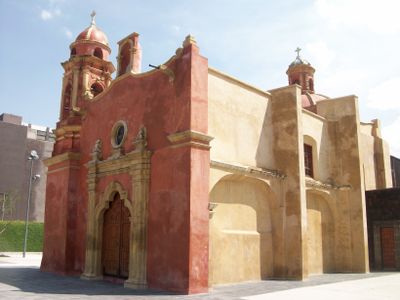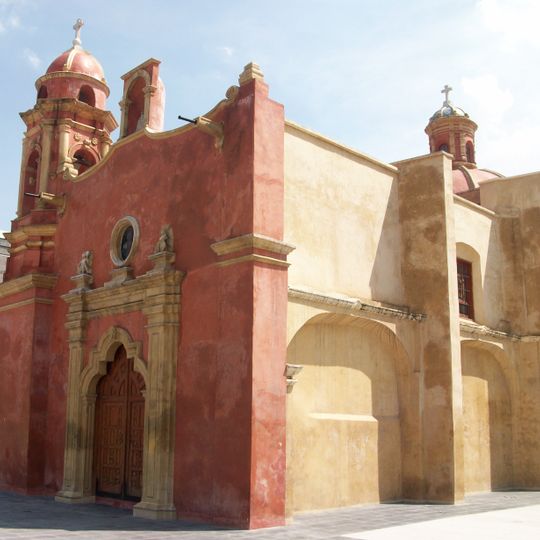
Tlaxcoaque, New Spanish Baroque chapel in Centro Histórico, Mexico City, Mexico
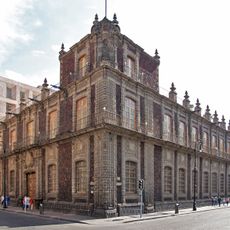
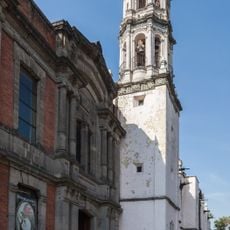
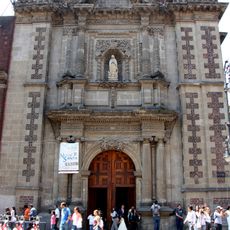
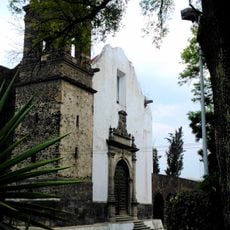
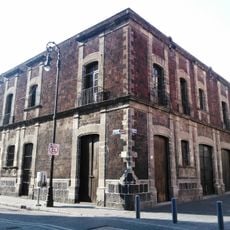
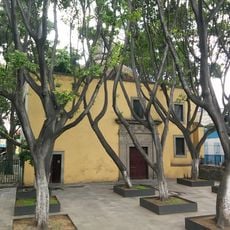
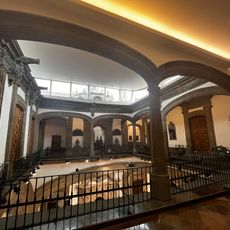
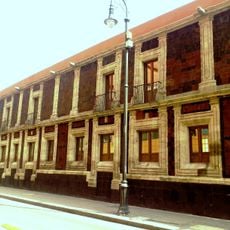
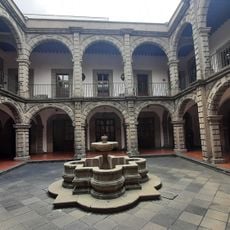
Tlaxcoaque is a small chapel with walls made from volcanic tezontle stone and decorative stone arches characteristic of New Spanish Baroque style. The exterior appears modest while the interior contains carefully crafted artistic details and religious furnishings.
The chapel was built during the 17th century and once served as the burial site of conquistador Hernán Cortés. It marked an important boundary point in the city's colonial development and represents one of the period's early religious structures.
The angel figures painted inside show how local artists adapted European religious imagery to their own artistic traditions. This blend of indigenous craftsmanship and colonial design is visible throughout the chapel's interior.
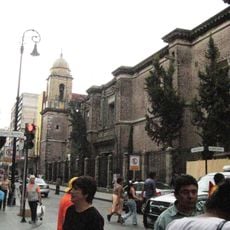
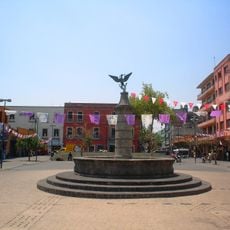
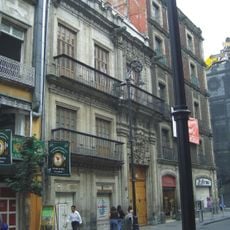
The chapel is located at the intersection of 20 de Noviembre and Fray Servando Teresa de Mier streets in Plaza Tlaxcoaque in the historic center. It is easily accessible on foot and sits among other colonial structures and neighborhood streets worth exploring.
The chapel was originally built on a site sacred to the Aztecs and served multiple religious purposes within a larger colonial complex. Few visitors realize it stands atop layers of indigenous cultural history that predate the Spanish colonization.
The community of curious travelers
AroundUs brings together thousands of curated places, local tips, and hidden gems, enriched daily by 60,000 contributors worldwide.