Grand Mound, Burial site in Koochiching County, Minnesota, United States
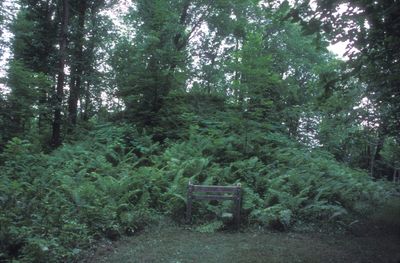
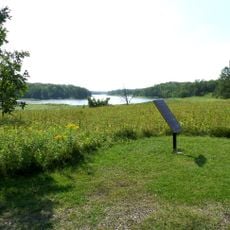
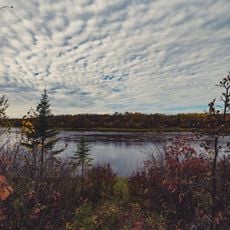
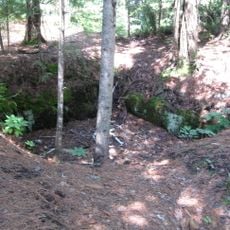
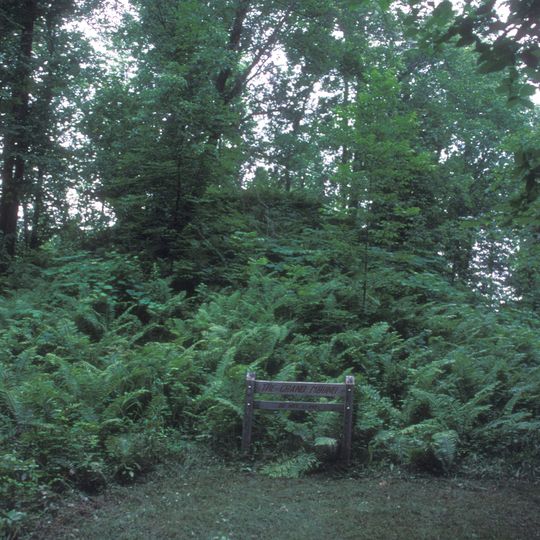
Grand Mound is a prehistoric earthwork site in Koochiching County, Minnesota, made up of one large central mound and four smaller surrounding mounds. The main mound has an elongated shape with a projecting tail and rises noticeably above the flat, wooded land along the Rainy River.
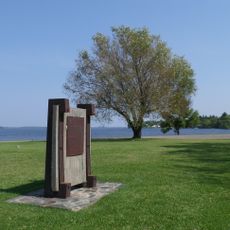
The site was used during the Woodland period, with burial and settlement activity going back to around 200 BCE. It was later designated a National Historic Landmark and is now managed by the Minnesota Historical Society.
Grand Mound is considered sacred by Indigenous communities, who use it for ceremonies tied to their ancestral traditions. The restricted access reflects the ongoing relationship between the site and the people whose history it holds.
Access to the site is strictly limited, as it remains an active burial ground open only to Indigenous community members and authorized visitors. Anyone hoping to visit should contact the Minnesota Historical Society beforehand to ask about current possibilities.
The shape of the main mound, seen from above, resembles the outline of a muskrat, an animal that carries meaning in the traditions of the Ojibwe and other Woodland peoples. This animal form is rare among the earthworks that have survived in North America.
The community of curious travelers
AroundUs brings together thousands of curated places, local tips, and hidden gems, enriched daily by 92,032 contributors worldwide.