Alabaster Historic District, Mining historic district in Iosco County, Michigan, United States.
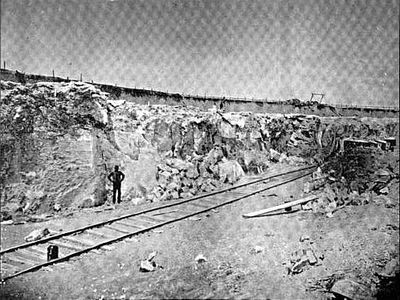
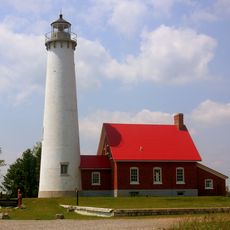
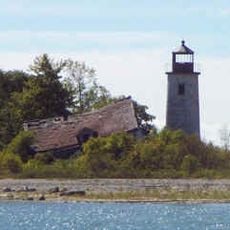
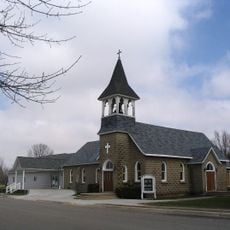
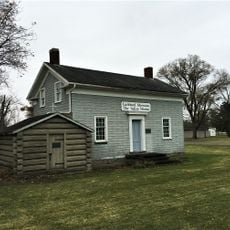
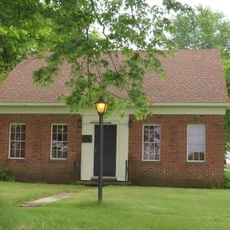
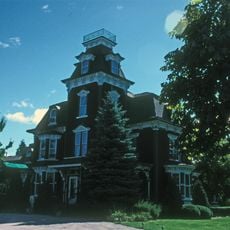
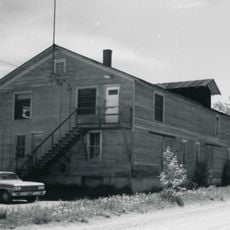
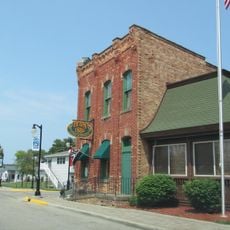
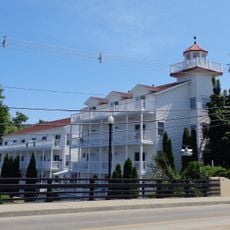
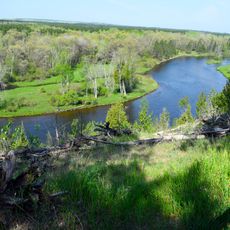
The Alabaster Historic District is a mining area in Michigan spanning 400 acres with an open pit gypsum mine, processing buildings, and administrative structures. The site contains approximately 36 buildings, including residential houses with gable roofs arranged along several roads near Lake Huron.
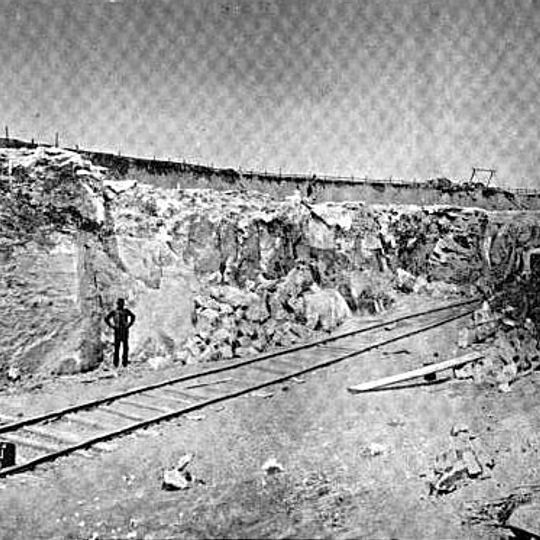
Gypsum mining began in 1862 when George B. Smith initiated extraction operations in this location. The mined materials later supplied the 1893 World's Columbian Exposition in Chicago, marking a significant moment for the operation.
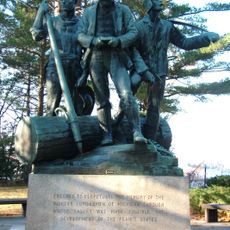
Workers from Europe arrived to labor in the mines and built a close-knit residential community around the operation. Their homes and daily routines shaped the character of this company town throughout the industrial era.
The district is easy to explore on foot with roads connecting the buildings throughout the site. The structures are grouped closely together, making it possible to view the entire area in a single visit.
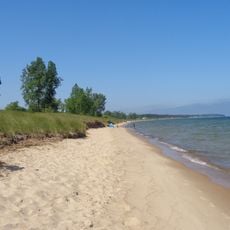
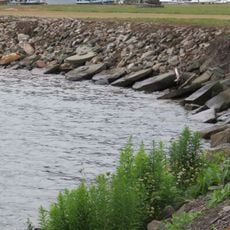
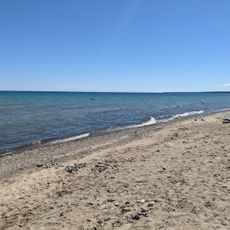
An elevated marine tramway stretching 1.5 miles extended into Saginaw Bay until the 1990s to transport mined materials across the water. This remarkable structure represents an inventive approach to solving the logistics challenge of moving gypsum to distant markets.
The community of curious travelers
AroundUs brings together thousands of curated places, local tips, and hidden gems, enriched daily by 60,000 contributors worldwide.