Franziskanerkloster Weimar, Medieval monastery in Weimar, Germany.
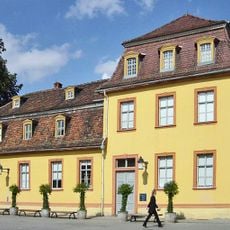
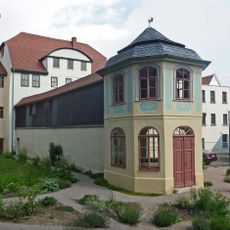
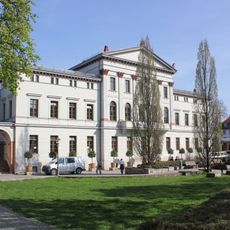
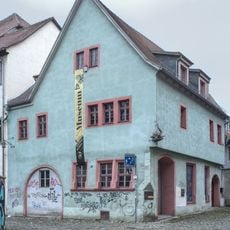
The Franciscan monastery in Weimar is a complex with a preserved southern main building still standing behind the Bauhaus Museum. The structure now houses spaces used by the Franz Liszt University of Music and forms part of the old town's architectural fabric.
Duke Wilhelm III founded the monastery in 1453 under the influence of papal legate Johannes Capistranus, with construction finished in 1457. This foundation reflected the religious reform movements sweeping through the region during the late medieval period.
The monastery holds deep connections to Martin Luther, who visited multiple times between 1518 and 1540 to preach and conduct services. His presence shaped the place as a key location in the Reformation story for the city.
The site is now part of the Franz Liszt University of Music, which has occupied this location since 1872, which means access is limited to certain areas. Visitors should be aware that parts of the buildings are in active use for teaching and require respectful behavior.
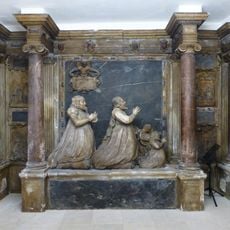
Duke Wilhelm III, who founded the monastery, wore a monk's habit in his final years and was buried in 1482 in the crypt beneath the monastery church. This unusual choice by a secular ruler reveals the depth of spiritual devotion that shaped his later life.
The community of curious travelers
AroundUs brings together thousands of curated places, local tips, and hidden gems, enriched daily by 91,999 contributors worldwide.