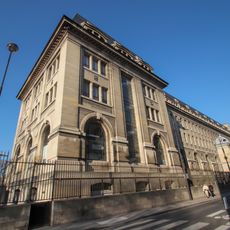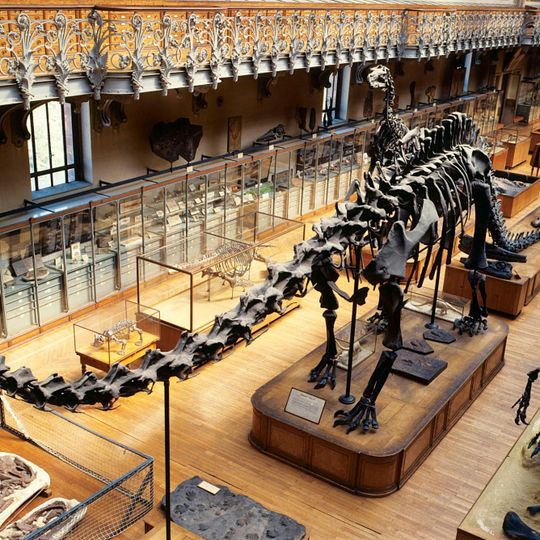
Galerie de Paléontologie et d’Anatomie comparée, Scientific museum in 5th arrondissement, Paris, France.
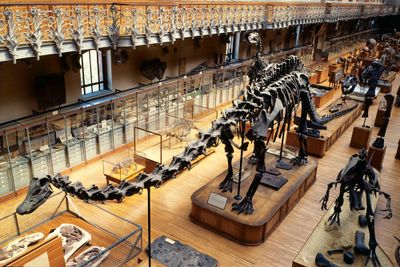
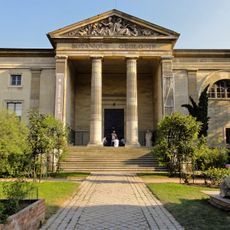
The Galerie de Paléontologie et d'Anatomie comparée is a science museum in the 5th arrondissement of Paris that displays skeletons of living animals alongside fossil remains from prehistoric species. The collection fills several floors and is organized by animal groups, from fish and reptiles to large mammals.
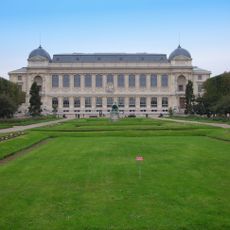
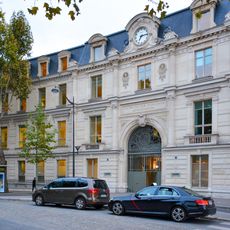
The building opened in 1898 and was designed by architect Ferdinand Dutert to house natural history collections that had been growing for decades at the Muséum National d'Histoire Naturelle. It stands as one of the few remaining examples of late 19th-century museum architecture in Paris still used for its original purpose.
The ground floor arranges skeletons of living animals by body structure, making it easy to spot what different species share. Visitors often pause in front of large whale skeletons suspended overhead, which gives a sense of scale that photographs rarely convey.
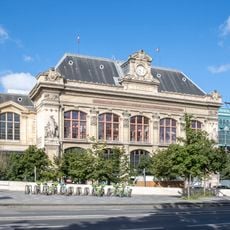
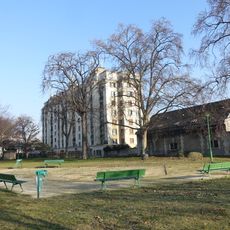
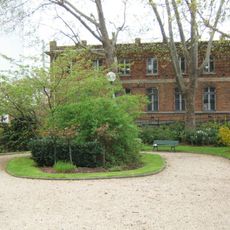
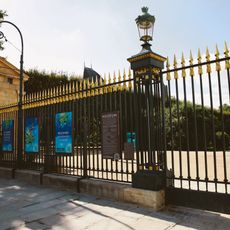
The gallery sits along Rue Buffon at the edge of the Jardin des Plantes and is easy to reach on foot from Gare d'Austerlitz or the Jussieu metro stop. The upper floor dedicated to paleontology tends to be quieter than the ground floor, so it is worth working your way up if the entry hall feels crowded.
Among the fossil specimens is a skeleton of Steller's sea cow, a species that was already gone by 1768, fewer than 30 years after it was first described by European naturalists. This makes the gallery one of the very few places in the world where you can see a complete skeleton of this animal.
The community of curious travelers
AroundUs brings together thousands of curated places, local tips, and hidden gems, enriched daily by 60,000 contributors worldwide.