Gran Vía, Main commercial avenue in Centro, Madrid, Spain
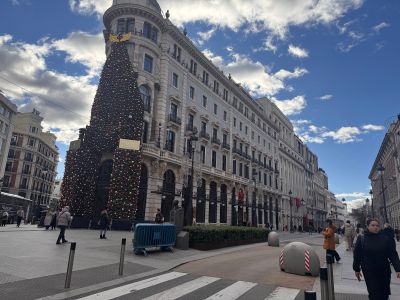
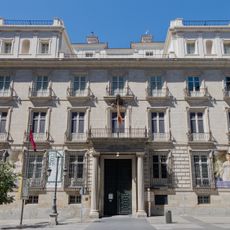
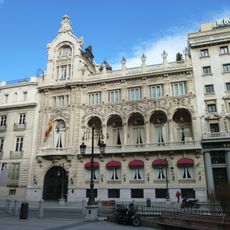
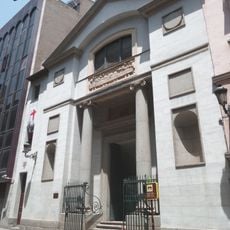
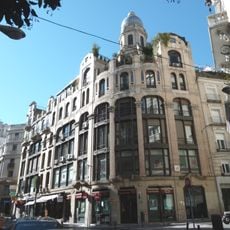
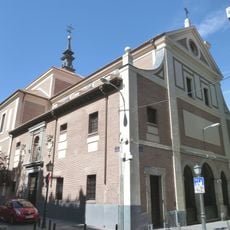
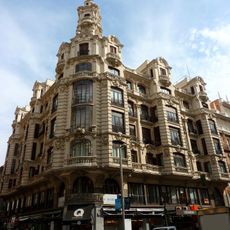
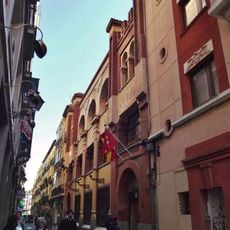
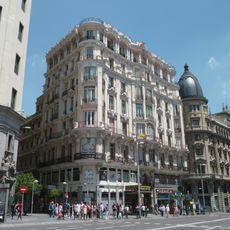
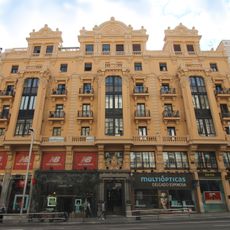
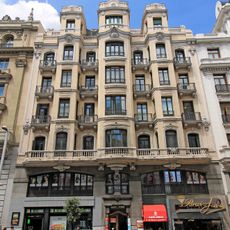
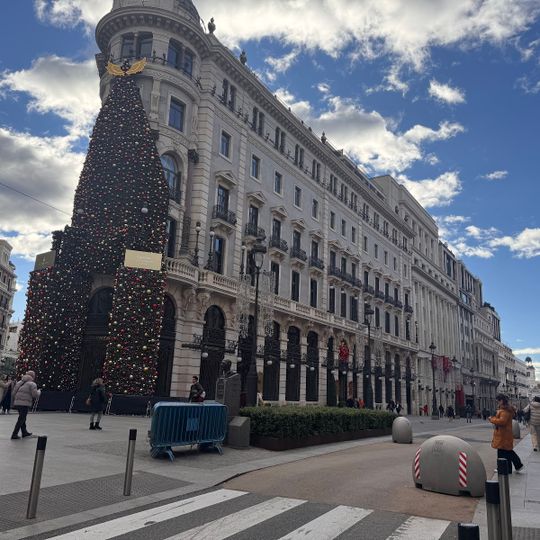
Grand Vía is a major commercial avenue in central Madrid that stretches from Plaza de Cibeles to Plaza de España, displaying a mix of architectural styles from the early 1900s. The street is lined with buildings featuring Art Deco, Neo-Renaissance, and other modern design elements that create a visual history of early 20th-century urban development.
Construction began in 1910 and involved demolishing 22 narrow medieval streets to create a modern connection between Madrid's historic core and expanding neighborhoods. This ambitious urban project fundamentally reshaped the city's layout and established new standards for modern city planning in Spain.
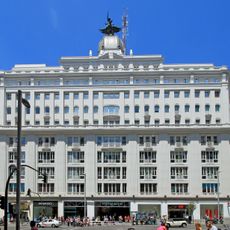
The avenue has long served as a hub for entertainment and performance, with theaters and cinemas shaping Madrid's cultural life since the early 1900s. Walking here, visitors notice distinctive buildings like the Metropolis with its black dome, which became iconic symbols of the city's cultural identity.
Multiple metro stations including Banco de España, Gran Vía, and Plaza de España provide convenient access along the length of the avenue. The street is designed for high foot traffic with spacious sidewalks that remain accessible even during peak times.
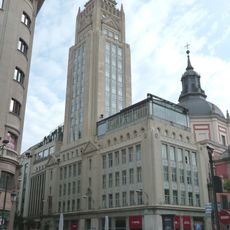
The Telefónica Building, completed in 1929, was among Europe's earliest skyscrapers and stands out with its distinctive nine-story form along the avenue. Its construction demonstrated Spain's ambition to match the technological and architectural achievements of Europe's leading cities.
The community of curious travelers
AroundUs brings together thousands of curated places, local tips, and hidden gems, enriched daily by 91,919 contributors worldwide.