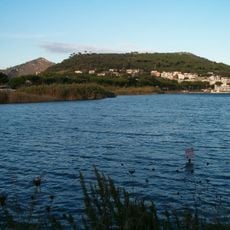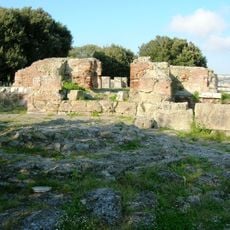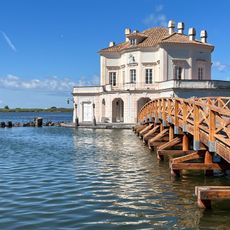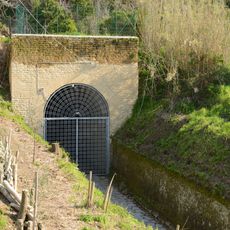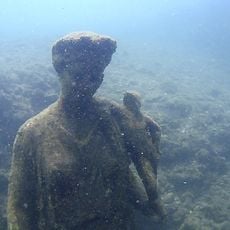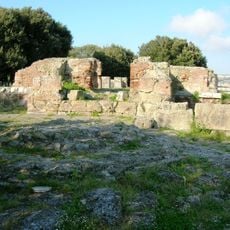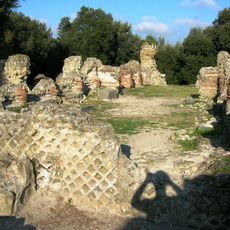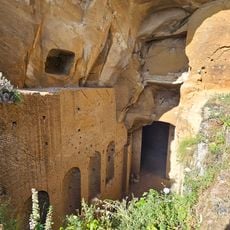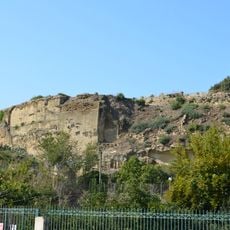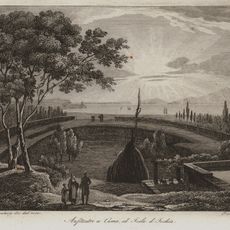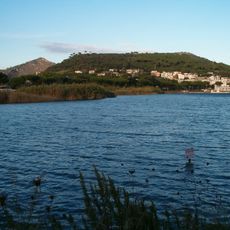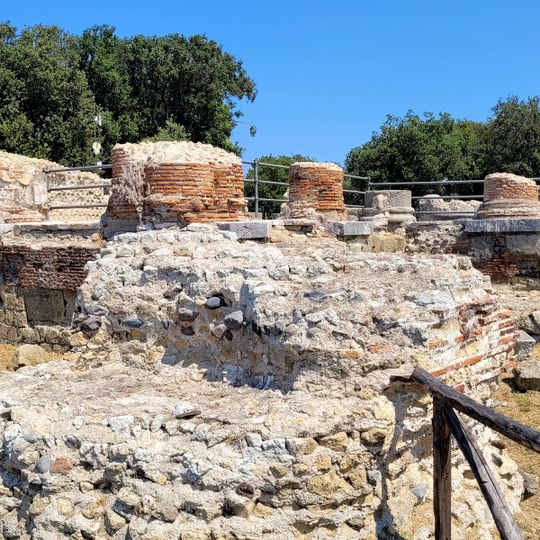
Parco archeologico di Cuma, Archaeological site in Pozzuoli, Italy.
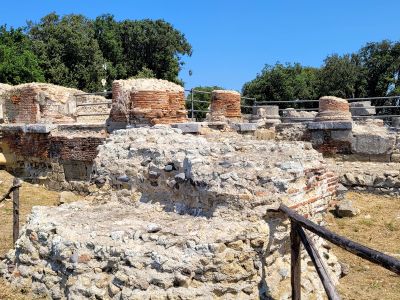
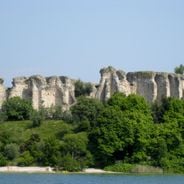
The Parco archeologico di Cuma covers approximately 123 acres (50 hectares) of ancient ruins, including the fortified acropolis, temples, underground tunnels, and extensive remains of one of the earliest Greek colonies in Western Italy.
Founded in the 8th century BC by Greek settlers from Chalcis, Cuma became a major political and commercial center, enduring successive occupations by Romans, Byzantines, and later suffering destruction by Saracens in the 9th century AD.
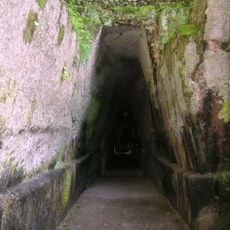
The site features the Antro della Sibilla, a tunnel traditionally associated with the Oracle of Cuma, where ancient visitors sought prophecies, making this location a religious and mythical landmark throughout antiquity.
The park is open Monday and Wednesday through Sunday from 9:00 AM to 2:45 PM, with entry limited to 50 visitors every half hour to preserve the site and enhance the experience.
Visitors can walk through the Crypta Romana, a tunnel built by Agrippa in the 1st century BC to connect the city with its port, demonstrating advanced Roman engineering and strategic military planning.
Location: Pozzuoli
Address: SP 164, 1, 80078 Pozzuoli NA, Italy
Opening Hours: Monday 09:00-14:45; Wednesday-Sunday 09:00-14:45
Phone: +390818543060
Website: https://pafleg.cultura.gov.it
GPS coordinates: 40.84903,14.05451
Latest update: December 2, 2025 08:26
Italy holds archaeological sites spanning several millennia, offering insights into Etruscan, Greek and Roman civilizations. These locations include necropolises with thousands of tombs, well-preserved Roman villas and ancient settlements along the Mediterranean coast. Many of these sites lie beyond the more familiar destinations and document different aspects of Italian history. The Necropolis of Pantalica near Sortino contains approximately 5,000 rock-cut tombs from the Sicilian Bronze Age, while the Villa of the Mysteries in Pompeii is known for its wall paintings from the first century BCE. Villa del Casale near Piazza Armerina displays Roman floor mosaics covering more than 37,500 square feet (3,500 square meters). Etruscan burial sites like the Tomb of the Orcus in Tarquinia preserve frescoes from the fourth century BCE. The Archaeological Park of Elea-Velia near Ascea includes remains of a Greek colony founded in the sixth century BCE.
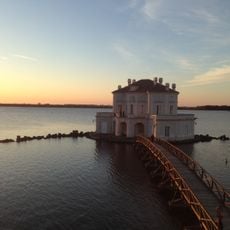
Casina Vanvitelliana
3.3 km
Cave of the Sibyl
168 m
Monte Nuovo
3.2 km
Scavi archeologici di Cuma
318 m
Casina Vanvitelliana
3.3 km
Grotta di Cocceio
1.7 km
Emperor Claudius' sunken nymphaeum
3.6 km
Tempio di Apollo
100 m
Temple of Jupiter
269 m
Cripta Romana
922 m
Diocesan Museum of Pozzuoli
3.3 km
Co-cathedral of St. Paul the Apostle
3.4 km
Acropolis of Cumae
43 m
Cumae amphitheatre
793 m
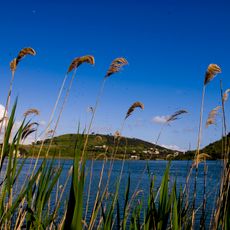
Lago del Fusaro
2.9 km
Monte Nuovo
3.2 km
Lago d'Averno
2.2 km
Parco archeologico dei Campi Flegrei - parco archeologico di Cuma
12 m
Foce di Licola
758 m
Lago di Lucrino
3.1 km
Geosito
3.4 km
Spiaggia Libera Licola Mare
877 m
Scenic viewpoint
3.4 km
Scenic viewpoint
166 m
Scenic viewpoint
280 m
Scenic viewpoint
2.1 km
Scenic viewpoint
3 km
Scenic viewpoint
2.3 kmReviews
Visited this place? Tap the stars to rate it and share your experience / photos with the community! Try now! You can cancel it anytime.
Discover hidden gems everywhere you go!
From secret cafés to breathtaking viewpoints, skip the crowded tourist spots and find places that match your style. Our app makes it easy with voice search, smart filtering, route optimization, and insider tips from travelers worldwide. Download now for the complete mobile experience.
A unique approach to discovering new places❞
— Le Figaro
All the places worth exploring❞
— France Info
A tailor-made excursion in just a few clicks❞
— 20 Minutes