Hornická kulturní krajina Abertamy – Horní Blatná – Boží Dar, Mining cultural landscape in the Ore Mountains, Karlovy Vary District, Czechia
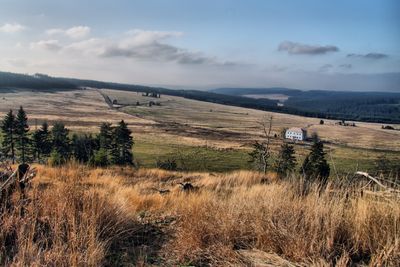
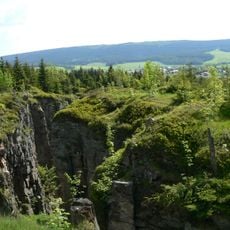
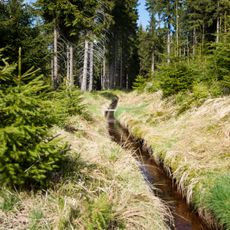
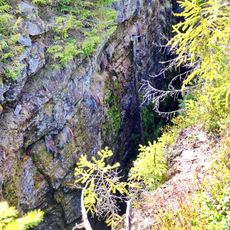
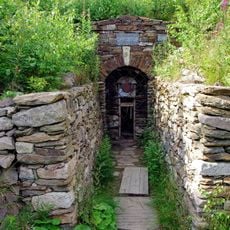
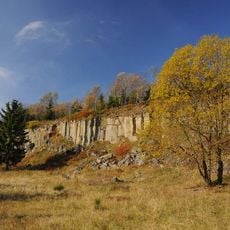
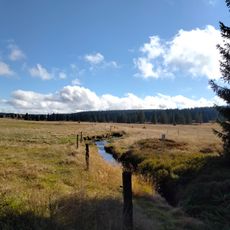
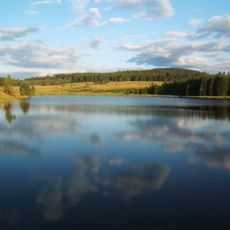
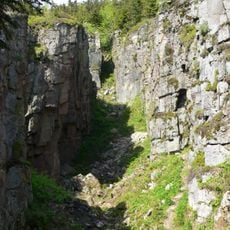
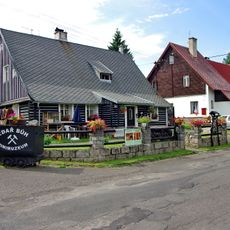
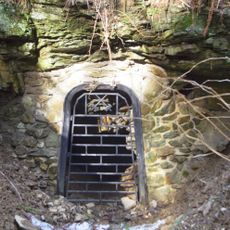
The Hornická kulturní krajina Abertamy – Horní Blatná – Boží Dar is a 5,220-hectare landscape heritage zone in the Klínovecká hornatina sub-range of the Ore Mountains, declared in 2014. It contains the planned Renaissance mining town of Horní Blatná with its chessboard layout, the Vlčí jámy tin mines on Blatenský vrch, and the 11.6 km Blatenský vodní příkop from the 16th century.
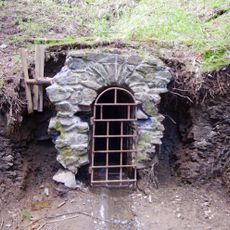
Mining operations started in the 16th century following the discovery of ore deposits, which prompted the establishment of new settlements and shaped regional life for over 400 years. Economic decline and technological changes led to the gradual closure of mines throughout the 20th century.
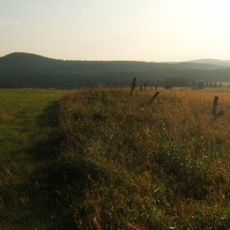
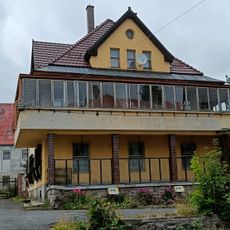
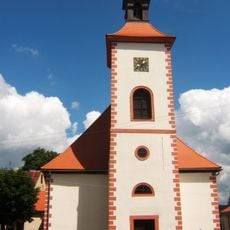
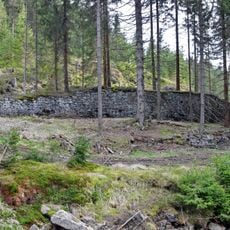
The name Boží Dar means "God's gift", a reference to the silver and tin deposits found here. The three mining towns were founded in the early 16th century, shortly after Jáchymov, and Horní Blatná still keeps its planned Renaissance grid layout. Tin washing left heaps of tailings, the sejpy, visible near Boží Dar.
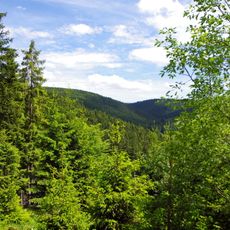
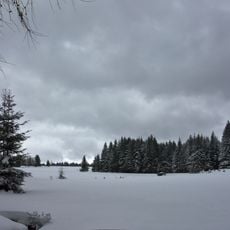
The area is accessible by regional roads and features hiking trails that cross former mining sites through forests and open terrain. Visitors are advised to wear sturdy footwear and prepare for variable mountain weather conditions, especially at higher elevations.
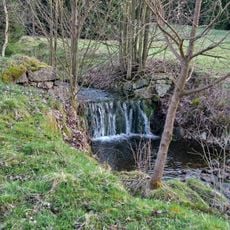
An early water-supply canal dating to the 16th century still carries water across the landscape for kilometers and represents one of the oldest engineering achievements in the region. This underground and open-channel system shows the technical sophistication of historical mining operations.
The community of curious travelers
AroundUs brings together thousands of curated places, local tips, and hidden gems, enriched daily by 92,781 contributors worldwide.