National Voting Rights Museum, Civil rights museum at Edmund Pettus Bridge, Selma, United States.
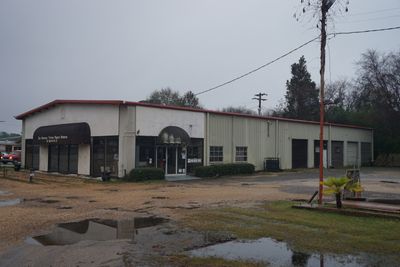
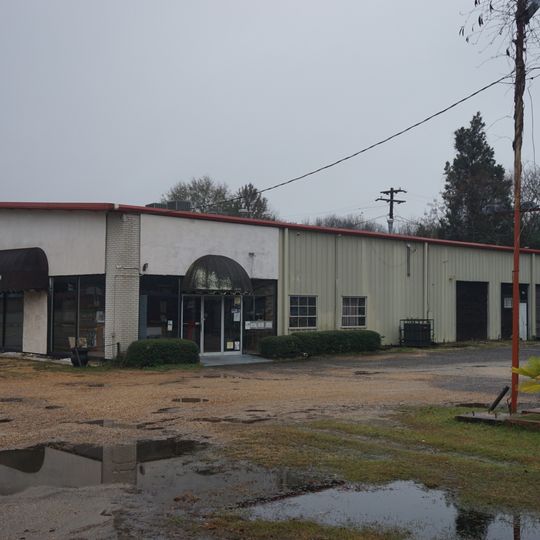
The National Voting Rights Museum occupies a single-story building near the Edmund Pettus Bridge, its facade split between a white section with a glass entrance under a black half-dome awning and a pale green corrugated-panel section with a dark garage door. Inside, rooms hold molded cast footprints of marchers, voting records, clothing worn by people beaten on the bridge, and a large blow-up of a James Karales photograph from the 1965 Selma to Montgomery march.
The museum was created to document the Selma-Montgomery marches of 1965, protests that led to the passage of federal legislation strengthening voting rights. These marches were a turning point in the movement and forced national attention to ongoing injustice.
The museum honors the names and stories of people who fought for voting rights, using methods that help visitors understand their personal sacrifices. The displays show how this movement continues to matter in communities today.
Access to the museum is straightforward since it sits directly on a main street, and there are labeled areas to help you understand different parts of the display. It helps to plan for at least one to two hours for a meaningful visit, especially if you want to study the texts and artifacts carefully.
The museum holds a collection of plaster footprints from activists in a dedicated room, preserving their physical presence and personal connection to the marches. This handcrafted method creates a direct, tangible link to those whose names might otherwise be lost to history.
The community of curious travelers
AroundUs brings together thousands of curated places, local tips, and hidden gems, enriched daily by 92,639 contributors worldwide.