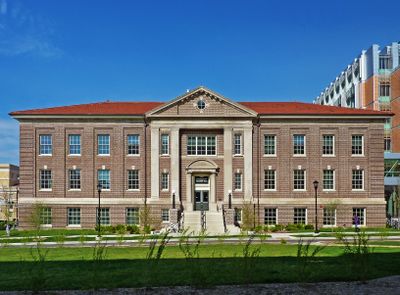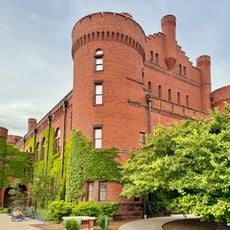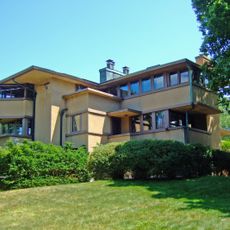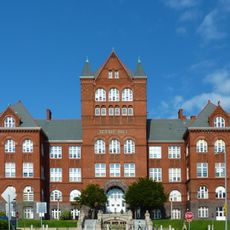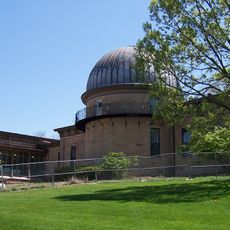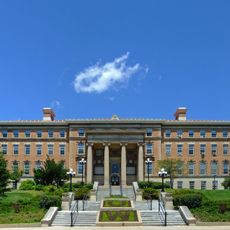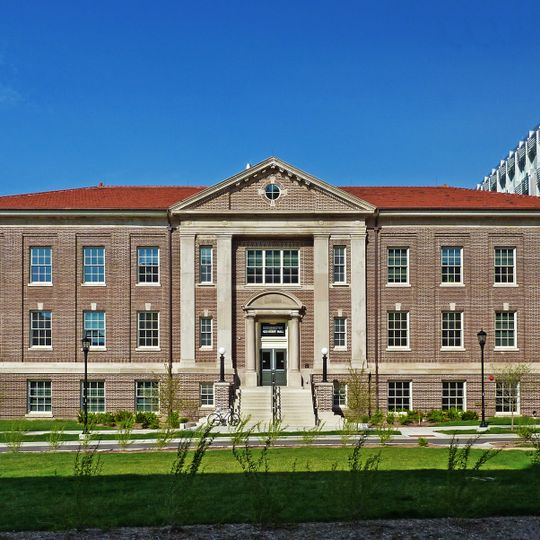
DeLuca Biochemistry Building, Biochemistry research building at University of Wisconsin campus, Madison, US
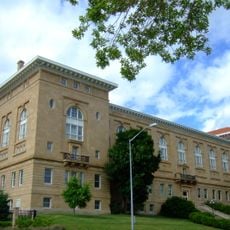
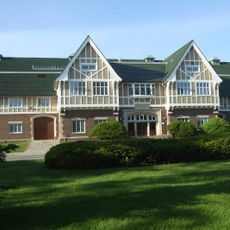
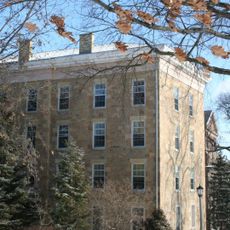
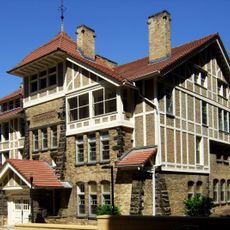
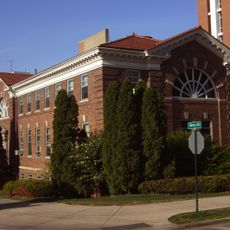
The DeLuca Biochemistry Building is a Colonial Revival research and teaching structure on the University of Wisconsin campus that was built in 1912. It houses multiple levels of laboratory and classroom spaces designed for biochemistry work and was extensively updated in 2012 with modern scientific equipment.
Architect Warren Powers Laird designed this structure in 1912 as the Agricultural Chemistry Building for the university. It was renamed in 2013 to honor Hector F. DeLuca, a prominent biochemist who conducted major research there.
The building served as a center where researchers made breakthroughs about how vitamins work in the human body. Those discoveries shaped modern nutrition science and continue to influence how we understand food and health today.
The building sits on the central university campus and is accessible during regular campus hours. Since it remains an active research facility, visitors may only be able to enter the public lobby and ground floor areas.
Hector F. DeLuca identified active forms of vitamin D within these laboratories and fundamentally changed how scientists understand this vital substance. His discoveries in this space led to new medical treatments that remain important today.
The community of curious travelers
AroundUs brings together thousands of curated places, local tips, and hidden gems, enriched daily by 91,678 contributors worldwide.