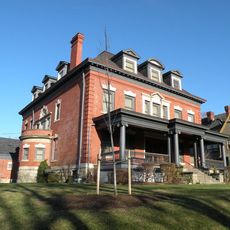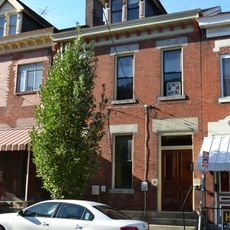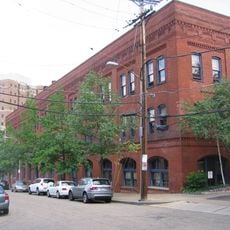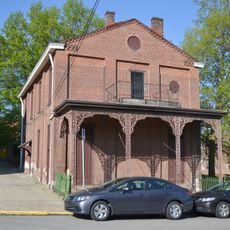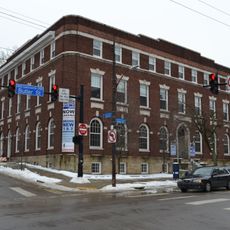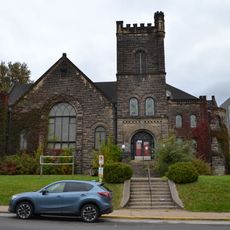
Center for PostNatural History, History museum in Garfield neighborhood, Pittsburgh, United States.
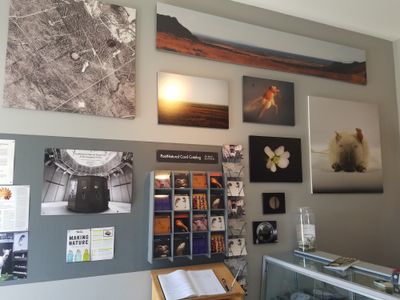
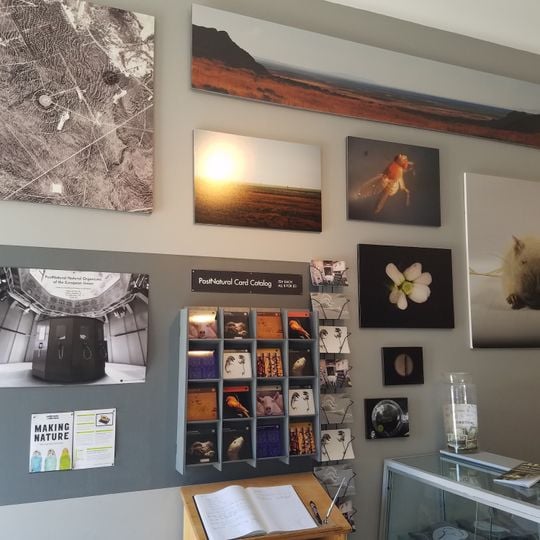
The Center for PostNatural History is a history museum in Pittsburgh displaying organisms modified through selective breeding or genetic engineering. The exhibitions use photographs, taxidermy, dioramas, and living specimens to document how humans have intervened in the natural world.
Richard Pell, an associate professor at Carnegie Mellon University, founded this specialized museum to document human-driven biological modifications. The institution traces these changes from the earliest selective breeding efforts to modern genetic engineering techniques.
The museum displays organisms such as fluorescent fish and goats engineered to produce spider silk, presenting them within a neutral scientific framework. Visitors can see how people have intentionally shaped animals and plants across history to serve human needs.
Visitors can explore the exhibits using wired telephone handsets to hear detailed explanations about the various specimens on display. It helps to spend time at each station and listen carefully to the audio commentary provided.
The museum houses Silkie chickens with unusually fluffy plumage that resembles wool rather than typical feathers. This rare breed demonstrates how ancient breeding practices radically altered animal appearance long before modern genetic tools existed.
The community of curious travelers
AroundUs brings together thousands of curated places, local tips, and hidden gems, enriched daily by 91,371 contributors worldwide.