Pembina Region, Historical territory in Minnesota, US.
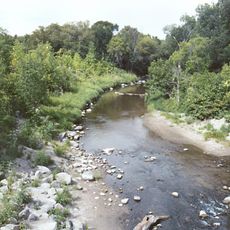
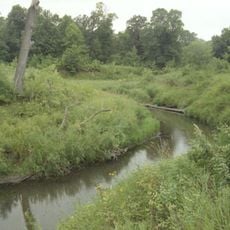
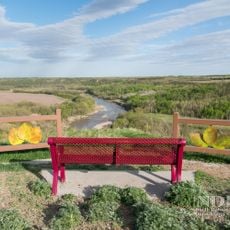
The Pembina Region covers areas within the Hudson Bay drainage basin across parts of present-day Minnesota, North Dakota, and South Dakota. The territory sits along major river systems and is marked by its flat to gently rolling landscape with forests and grasslands.
After the Treaty of 1818, this territory moved from British to United States control. Before and after this shift, it went through several changes in administrative boundaries and belonged at different times to Michigan, Iowa, and Wisconsin before becoming part of Minnesota and Dakota.
The region served as a center for fur trading and hunting where Anishinaabe, Métis, and French traders met and lived together. This blend of peoples shaped the daily practices and skills of those who settled here.
The region today spans multiple states, so it cannot be visited as a single place but rather explored as a historical concept. Those interested in the history can visit various towns and museums across Minnesota and the Dakotas to learn about early trade routes and settlements.
A missionary named Father Belcourt documented the extent of this region and described it as a vast area stretching across great distances. His records give us insight today into how people perceived this territory in the 1800s.
The community of curious travelers
AroundUs brings together thousands of curated places, local tips, and hidden gems, enriched daily by 92,734 contributors worldwide.