Removal of Hell Gate rocks, Engineering achievement in East River, New York, United States
The Hell Gate rock removal was an engineering project that used underwater drilling and controlled explosions to clear dangerous rock formations from the East River's shipping channel. The work created a deeper and safer waterway that allowed larger ships to reach New York Harbor.
The project began in the 1800s when strong currents and rock formations made this waterway one of the most dangerous shipping routes in New York. Systematic explosions over several decades transformed the notorious obstacle into a usable shipping channel.
The name Hell Gate comes from the Dutch word Hellegat, which early explorer Adriaen Block used when describing the treacherous strait in the early 1600s. Sailors feared these waters for their powerful currents, and the name reflected how dangerous people found the crossing to be.
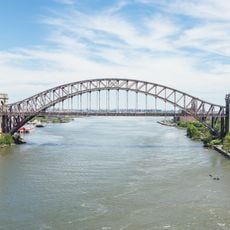
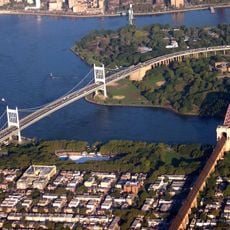
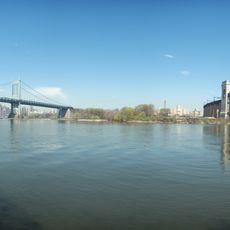
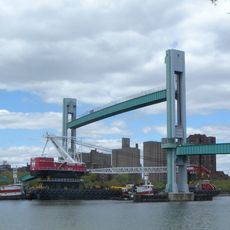
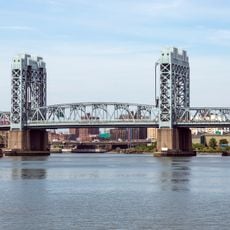
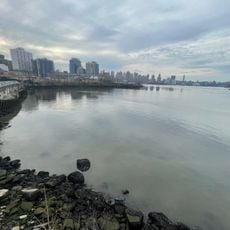
Visitors can see the results of the project by looking out from the riverbanks or nearby bridges, particularly from the Triborough Bridge or Hell Gate Bridge. The waterway today shows how successfully the obstacle was removed and allows steady shipping traffic through.
The most powerful explosion of the project occurred in 1885 using an enormous amount of explosives that sent water geysers shooting high into the air. The rock debris from this blast was later used to connect two smaller islands in the river together.
The community of curious travelers
AroundUs brings together thousands of curated places, local tips, and hidden gems, enriched daily by 90,790 contributors worldwide.