Cottage Plantation, human settlement in United States of America
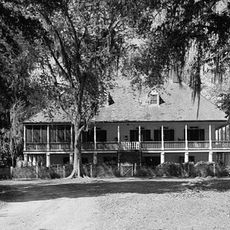
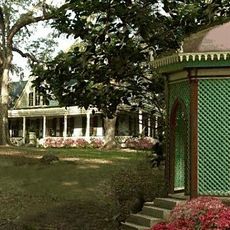
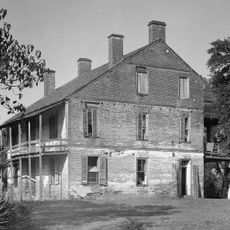
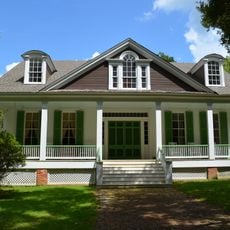
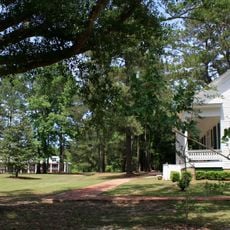
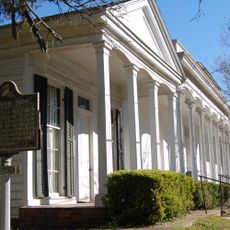
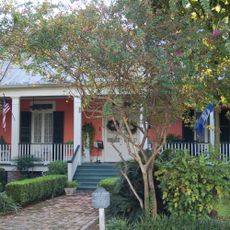
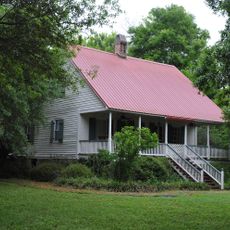
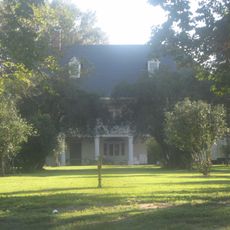
Cottage Plantation is a plantation property near St. Francisville built in Federal architectural style, featuring a main house with four symmetrical dormer windows and a long front gallery. The structure was expanded in three phases over time and now contains approximately twelve rooms, with additional outbuildings including slave cabins, a schoolhouse, milk house, kitchen, barns, and a well house arranged across the grounds.
The land was granted during the Spanish colonial period and purchased in 1811 by Judge Thomas Butler, a lawyer from Pennsylvania who served in Congress from 1818 to 1821. Butler hosted Andrew Jackson at the house after the Battle of New Orleans, making it a notable historical landmark during the early Republic period.
The name Cottage Plantation reflects the deliberate simplicity of the house design, which stood apart from grander plantation estates of its era. The rooms open onto a continuous gallery where residents and visitors spent much of their daily time, adapting to the warm Louisiana climate.
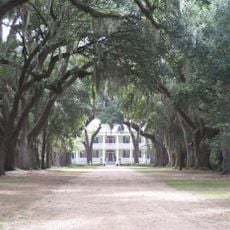
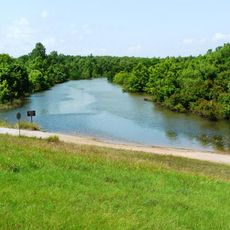
The property is accessed by a small bridge crossing a creek, and tall oak trees provide natural shade across the grounds. The site now operates as a bed-and-breakfast, allowing visitors to walk through rooms furnished with antique pieces and explore the various outbuildings scattered across the property.
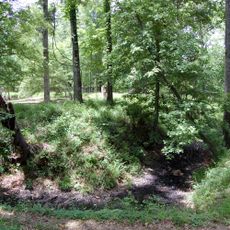
The West Feliciana Railroad once ran across the property, carrying cotton from local plantations to the river port of Bayou Sara, connecting this estate to broader trade networks. Few visitors notice the remains of these old railroad tracks, which reveal how transportation shaped the region's economy in the 1800s.
The community of curious travelers
AroundUs brings together thousands of curated places, local tips, and hidden gems, enriched daily by 91,874 contributors worldwide.