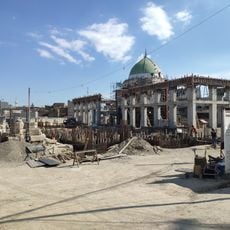
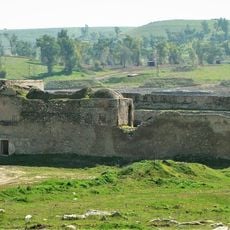
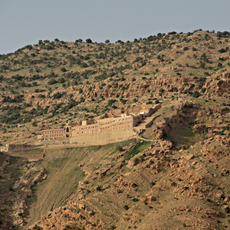
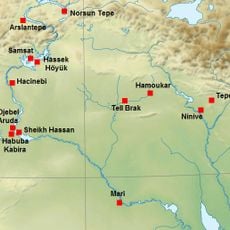
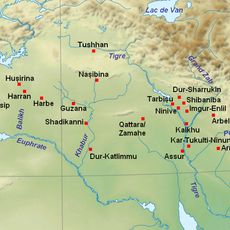
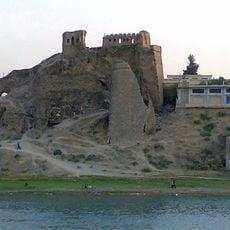
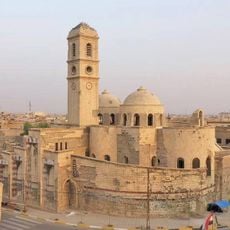
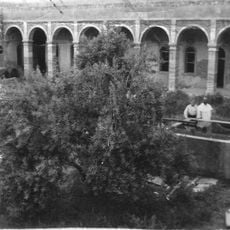
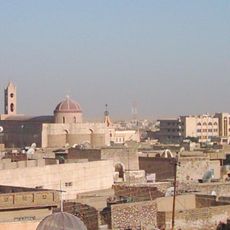
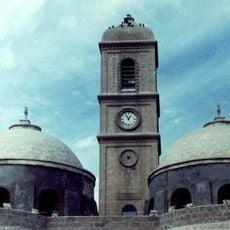
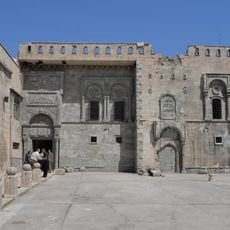
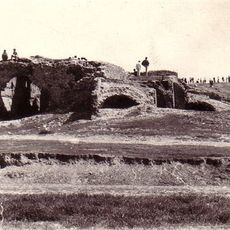
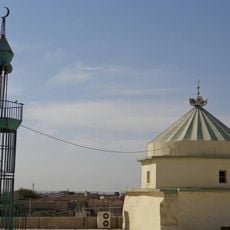
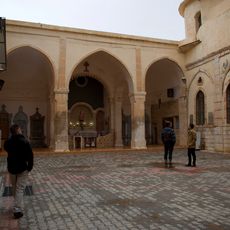
Tarbisu, Archaeological site north of Nineveh, Iraq.
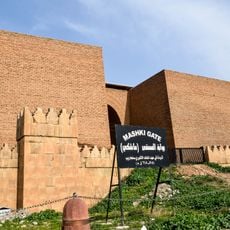
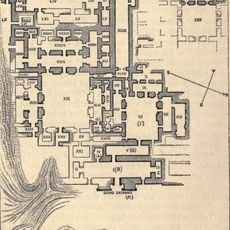
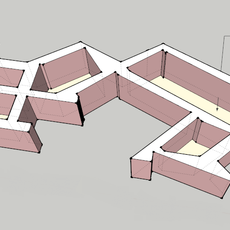
Tarbisu is an archaeological site north of Nineveh with ruins of canals, multiple palaces, and a temple, spread across a large area. Excavations have revealed that the settlement contained organized sections for religious, administrative, and water management purposes.
The site grew in importance during the Middle Assyrian period and received significant expansion in the 7th century BC when two new palaces were built. This construction phase marks a turning point in how the royal administration organized control over the realm.
The site name refers to a place where ancient roads converged, serving as a waystation and administrative center that connected different parts of the Assyrian realm. Visitors walking through the ruins can sense how this location functioned as more than just a ceremonial space, but as a living hub for governance and trade.
The site is located in a rural area north of Nineveh and access conditions can be challenging, so checking current conditions before visiting is important. Bringing appropriate equipment and arranging for local guidance helps visitors navigate the scattered ruins safely and understand what they are seeing.
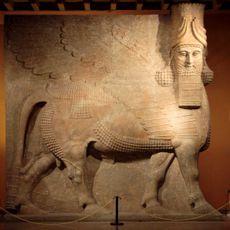
Excavations uncovered a royal cylinder made of red cornelian wrapped in gold leaf, revealing the sophisticated craftsmanship that ancient rulers valued. Such finely crafted objects offer insight into the artistic skill and wealth of the people who ruled from this place.
The community of curious travelers
AroundUs brings together thousands of curated places, local tips, and hidden gems, enriched daily by 91,699 contributors worldwide.