RAF Habbaniya, former Royal Air Force in Iraq
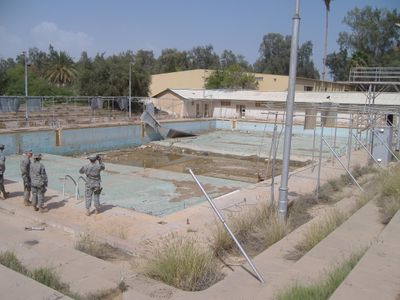
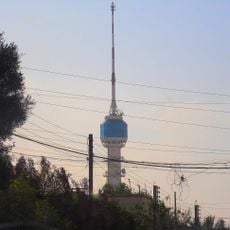
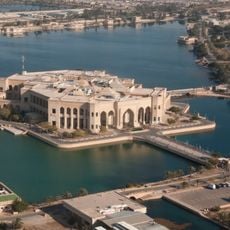
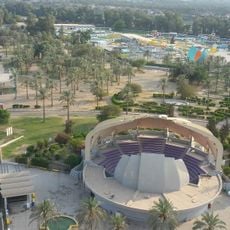
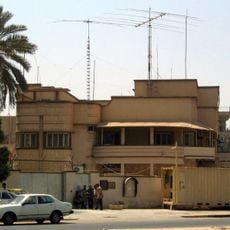
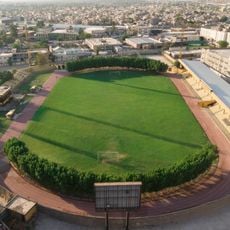
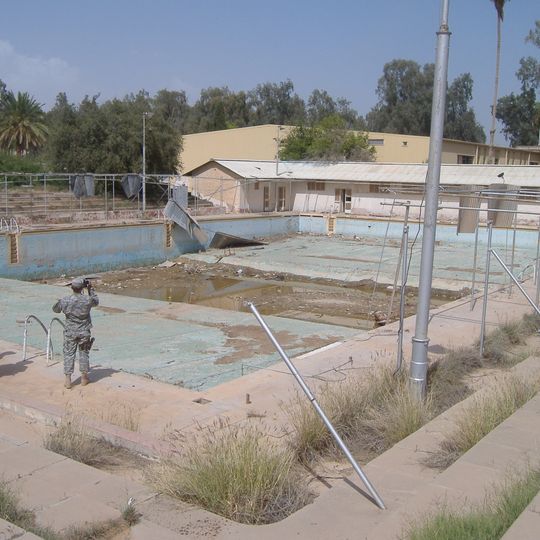
RAF Habbaniya was a large British air force base built in 1936 on the west bank of the Euphrates, about 55 miles (90 kilometers) west of Baghdad, housing between 10,000 and 15,000 people. The complex included runways, hangars, a hospital, schools, cinemas, botanical gardens, and independent water and power systems that made it self-sufficient.
Construction began in 1934 and the base opened in 1936 as part of a British-Iraqi treaty that secured British influence in the region. During World War II, it served as a major training and transport hub, and in 1941 it withstood an Iraqi siege following a military coup, later serving as a stopover for flights between Britain and the Soviet Union.
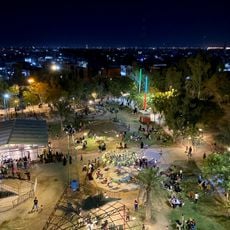
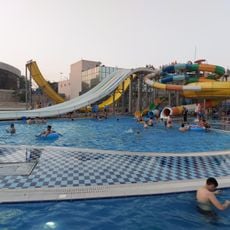
The base brought together people from different backgrounds, with Arabs, Kurds, Christians, and Muslims sharing neighborhoods and workplaces. Residents spent leisure time by the lake swimming and socializing, creating a sense of community in the desert.
The site is located within a military compound and is not open to the public for visits. Visitors interested in its history can research archives and historical documentation, or view the location from a distance to understand its strategic position between Ramadi and Fallujah.
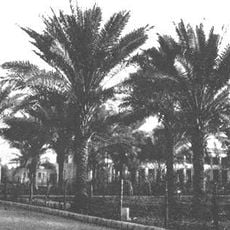
Australian eucalyptus trees were planted in the 1930s to combat malaria, transforming the base into a green oasis in the desert. Writer Roald Dahl served there in 1940 and later described his experiences in the book 'Going Solo', offering insight into life at this remote station.
The community of curious travelers
AroundUs brings together thousands of curated places, local tips, and hidden gems, enriched daily by 91,698 contributors worldwide.