Batu Gajah, human settlement in Malaysia
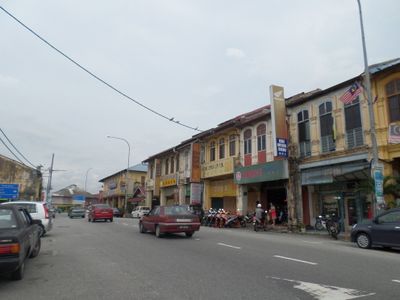
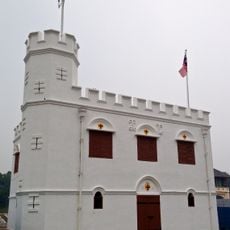
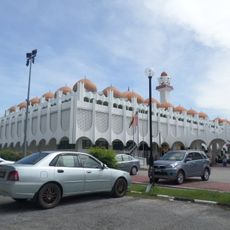
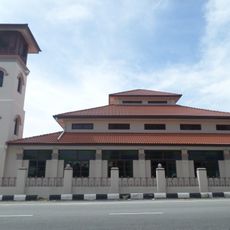
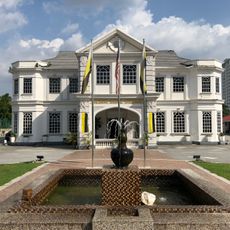
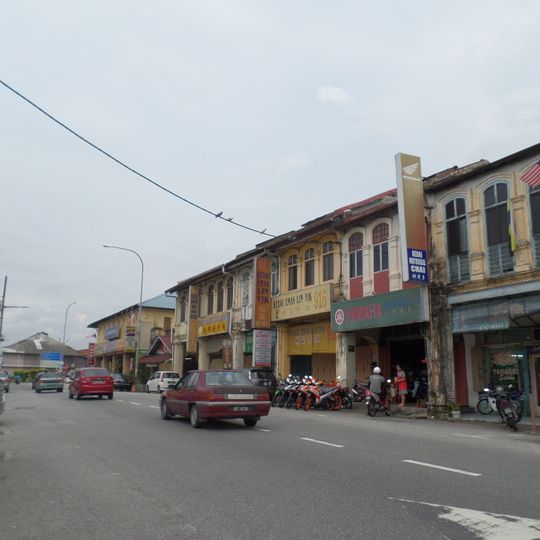
Batu Gajah is a small town in Kinta District, in the Malaysian state of Perak, located along the Kinta River. Its center still has rows of old shophouses from the colonial period and a railway station that has been in use for well over a century.
Batu Gajah grew quickly in the 19th century under British colonial administration, as tin mining in the Kinta Valley drew Chinese workers and European traders to the area. The British made it the administrative seat of Kinta District, giving it a role beyond mining that shaped the layout of the town.
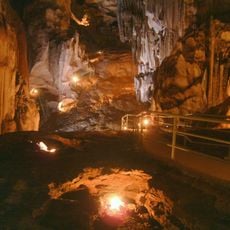
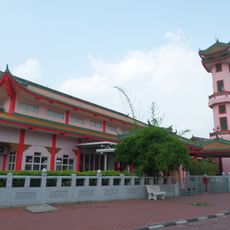
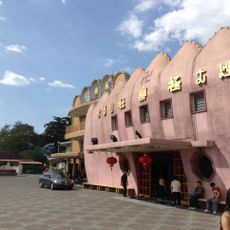
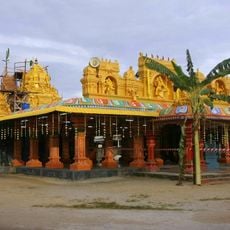
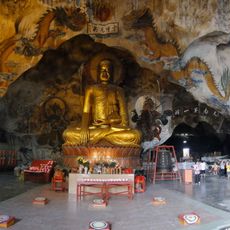
Batu Gajah means 'Elephant Rock' in Malay, a name that comes from the large limestone formations found around the town. Along its older streets, Chinese shophouses, Malay food stalls, and Tamil temples stand close together, reflecting the mix of communities that settled here during the tin era.
The town has a railway station with connections toward Kuala Lumpur and other cities on the western side of the peninsula, making it easy to reach by train. The climate is hot and humid throughout the year, so light clothing and enough water are helpful, especially if you plan to visit sites outside the town center.
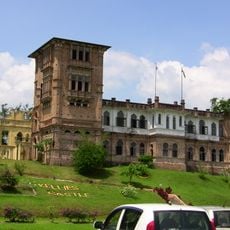
Kellie's Castle, a few miles outside town, was started in the 1910s by Scottish plantation owner William Kellie Smith and left unfinished after his sudden death in 1926. On the same grounds, there is a small Hindu shrine that Smith reportedly built for his Indian workers in gratitude for the birth of his son.
The community of curious travelers
AroundUs brings together thousands of curated places, local tips, and hidden gems, enriched daily by 60,000 contributors worldwide.