Gua Tambun, Archaeological site in Perak, Malaysia.
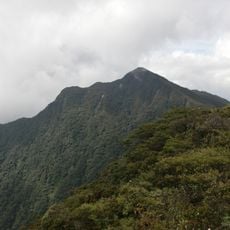
Gua Tambun is a group of Neolithic rock paintings on a west-facing rockface of Gunung Panjang, a light-grey Devonian marble hill about 2 km long above Ipoh and the Kinta valley. The haematite figures, including humans, deer, tortoise and dugong, cover a wide shelf at the base of the cliff.
The paintings were found in 1959 by 2/Lt R. L. Rawlings of the 2nd Battalion, 6th Queen Elizabeth's Own Gurkha Rifles during a patrol in the Malayan Emergency. They are attributed to Neolithic communities, possibly ancestors of the Orang Asli, and are estimated to be between 2,000 and 12,000 years old.
The paintings are attributed to ancestors of the Orang Asli and are thought to have had spiritual importance. Their motifs include ancient Orang Asli figures, deer, mousedeer, turtles and a dugong, a marine animal whose presence on a hill far inland is notable.
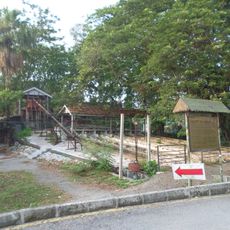
The paintings sit on a rockface on the west side of Gunung Panjang, a limestone hill about 2 km long above Ipoh and the Kinta valley. The path is overgrown and muddy, and a steep flight of steps leads up to the site, so sturdy shoes help. The site is not easily accessible to tourists.
Research has identified over 600 individual prehistoric art elements at the site, making it possibly the largest rock art collection in the country. This number reveals the intensity of artistic activity that took place at this single location.
The community of curious travelers
AroundUs brings together thousands of curated places, local tips, and hidden gems, enriched daily by 92,715 contributors worldwide.