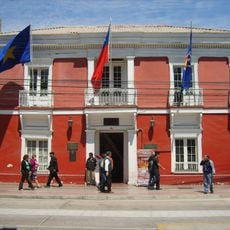
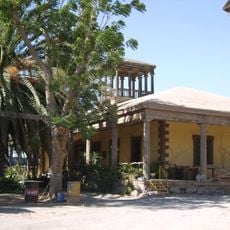
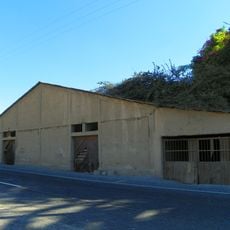
Paleontological Museum of Caldera, Natural history museum in Caldera, Chile.
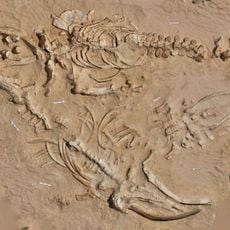
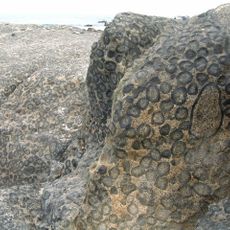
The Paleontological Museum of Caldera occupies part of the Estación Caldera cultural centre and holds fossils from the Bahía Inglesa Formation, roughly 11 to 3 million years old. Its best-known piece is "Josefina", a fossil whale skull about 10 million years old.
The museum opened in 2006 as Chile's first paleontological museum, created by the community organization, the Municipality of Caldera and Mario Suárez, its curator and director. It was set up inside the Estación Caldera cultural centre to safeguard finds from Cerro Ballena and the Bahía Inglesa Formation. It is now run by the Corporación de Investigación y Avance de la Paleontología e Historia Natural de Atacama.
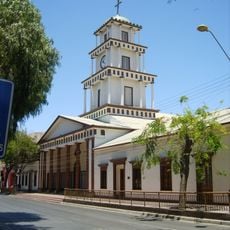
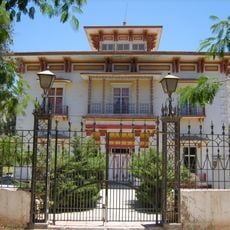
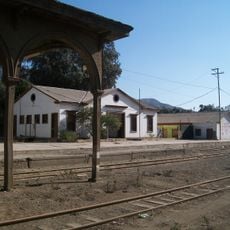
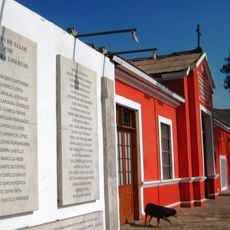
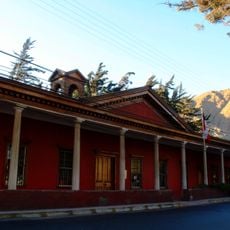
The museum takes its name from Caldera and sits inside the Centro Cultural Estación, the town's former railway station. It was founded in 2006 through the work of a community organisation, the Municipality of Caldera and Mario Suárez, its curator and director. It is now administered by the Corporación de Investigación y Avance de la Paleontología e Historia Natural de Atacama, and it was the first paleontological museum in Chile.
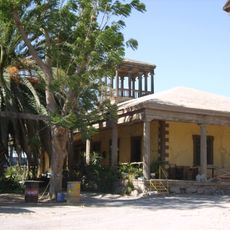
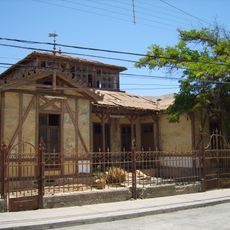
The museum occupies the Centro Cultural Estación, the former railway station of Caldera, at the edge of the historic centre near the port. Visitors move through a compact exhibition hall, so the whole collection can be seen in a short visit. The whale skull known as "Josefina" is the piece to locate first.
The museum's collection includes fossils from Cerro Ballena, a site where dozens of whales, along with other marine mammals, died together. The concentration of skeletons there is what made the site a landmark for Chilean paleontology.
The community of curious travelers
AroundUs brings together thousands of curated places, local tips, and hidden gems, enriched daily by 92,634 contributors worldwide.