Paccaicasa, Archaeological cave complex in Huamanga Province, Peru
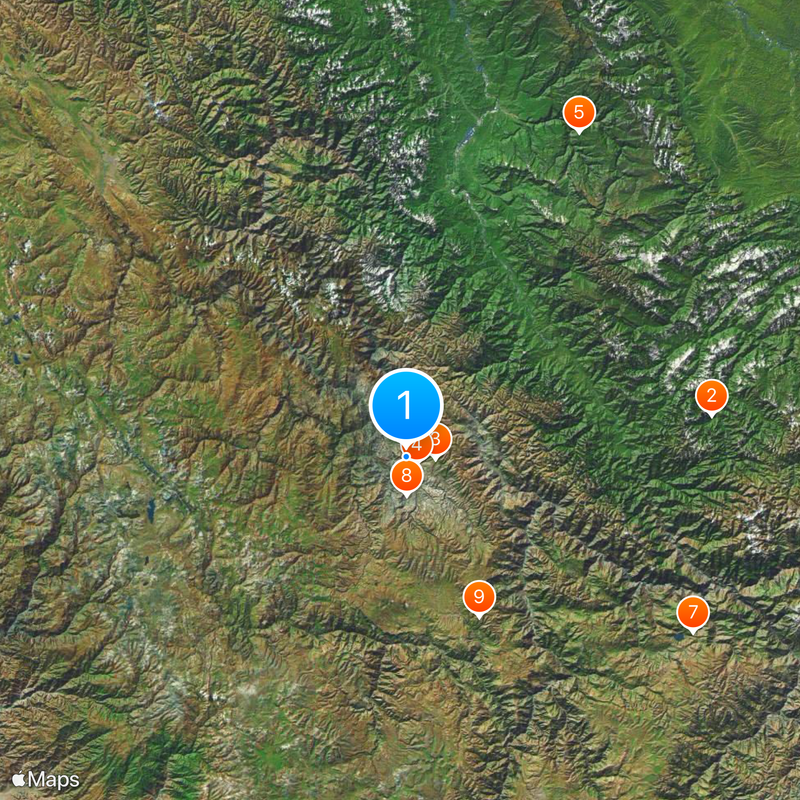
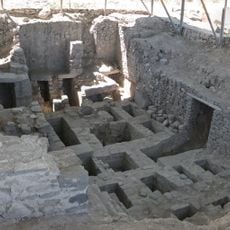
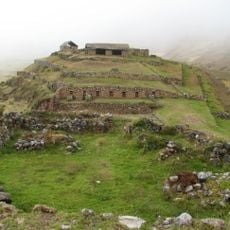
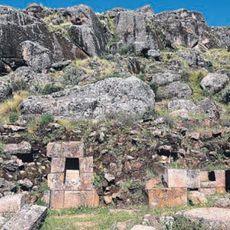
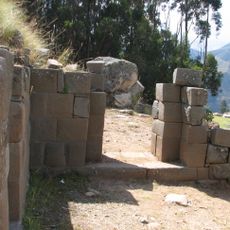
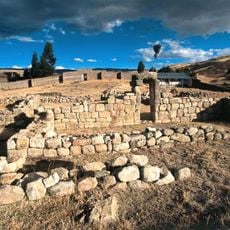
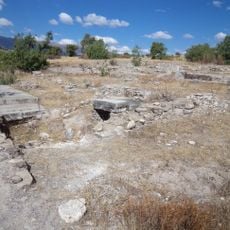
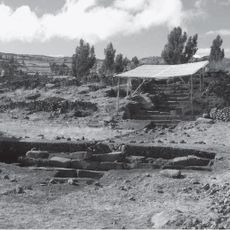
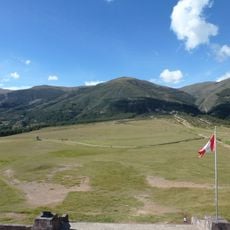
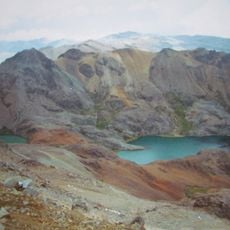
Paccaicasa is an archaeological cave complex in Huamanga Province situated at around 2,500 meters elevation in the Andes. The site features multiple caves spread across a large area, offering insights into early human settlement patterns in this high-altitude region.
The site shows evidence of ancient human activity with stone tools left by early inhabitants from thousands of years ago. Archaeological work has revealed that people used this location in prehistoric times, making it a key site for understanding how humans first settled the high Andes.
The name comes from the Quechua language and reflects the indigenous connection to these caves that have shaped the region for millennia. Visitors walking through the area can sense how important this place has been to people living here for generations.
The site sits at high altitude in the Andes, so visitors should be prepared for elevation and cooler conditions. Access is best achieved by local routes, and sturdy footwear is essential for walking through the cave area and surrounding terrain.
Archaeologists discovered evidence that people bred guinea pigs at this location in very early times, showing how humans began animal husbandry thousands of years ago. This find makes the site a rare window into the origins of farming in the Andes.
The community of curious travelers
AroundUs brings together thousands of curated places, local tips, and hidden gems, enriched daily by 92,722 contributors worldwide.