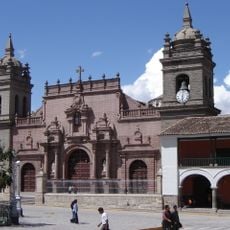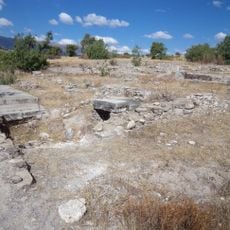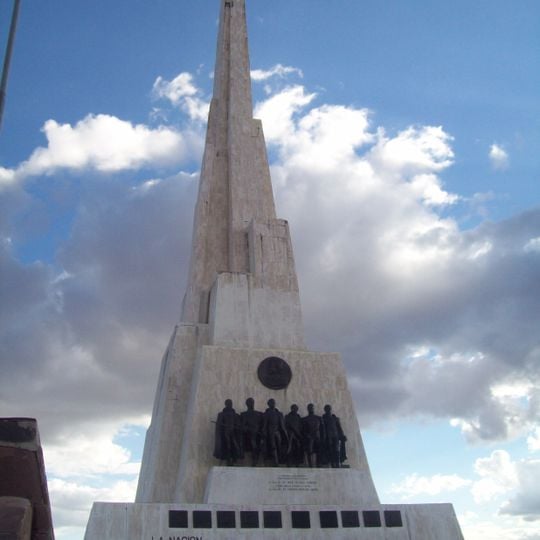
Pampa de Ayacucho Historical Sanctuary, Historical sanctuary near Quinua, Peru.
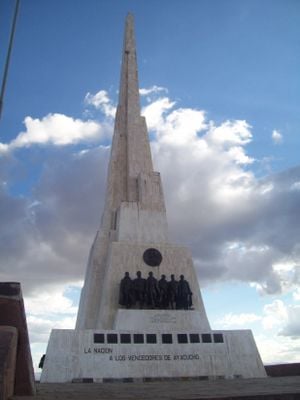
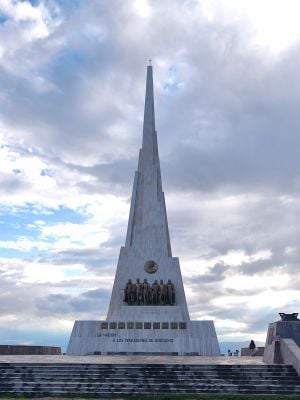
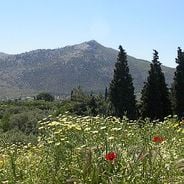
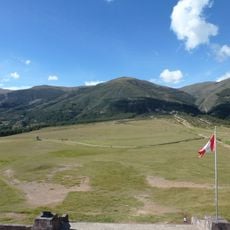
Pampas de Ayacucho Historical Sanctuary covers a wide highland plain southeast of Ayacucho city, close to the village of Quinua. The landscape consists of open grassland surrounded by gentle hills, with a tall white marble obelisk standing as a central point.
On December 9, 1824, the independence army under General Sucre fought the Spanish royalists in the last major battle on South American soil. The patriot victory ended Spanish colonial rule over Peru and opened the way to freedom for the Andean nations.
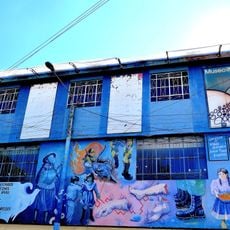
The name Ayacucho comes from Quechua and is commonly rendered as 'corner of the dead'. Every December 9, professional and volunteer actors stage a reenactment of the 1824 battle on the pampa, and the sanctuary also works to keep alive the crafts of the surrounding communities.
The site sits at about 3400 meters (11,150 feet) altitude, so moving slowly and bringing plenty of water is advisable. The drive from Ayacucho takes about an hour on well-maintained roads, and paths around the monument are flat and easy to walk.
The obelisk was chosen in a 1968 public competition, won by Spanish artist Aurelio Bernandino Arias. He said the work represents nearly half a century of struggle for freedom, from the Túpac Amaru II revolution of 1780 to its culmination here in 1824. The six bronze figures, each 3 meters tall, are the generals who commanded at the battle.
The community of curious travelers
AroundUs brings together thousands of curated places, local tips, and hidden gems, enriched daily by 92,627 contributors worldwide.