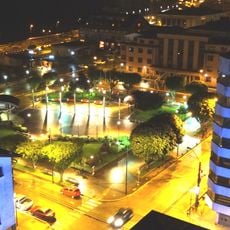
Zona Típica de Puerto Varas, national monument of Chile
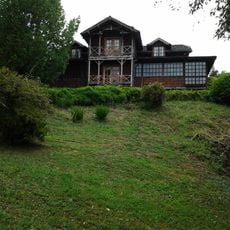
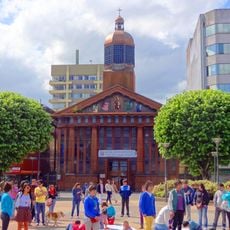
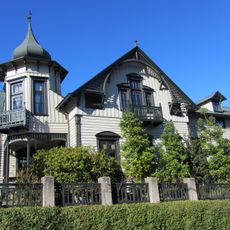
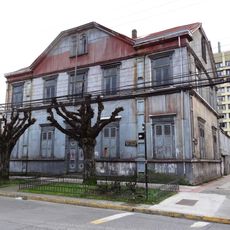
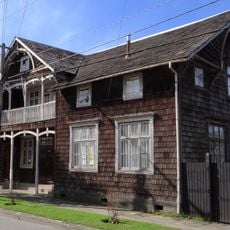
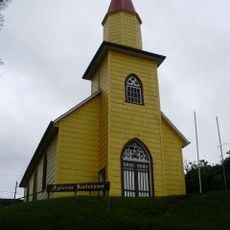
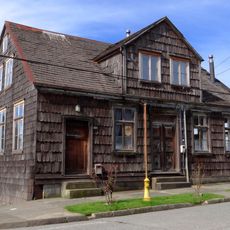
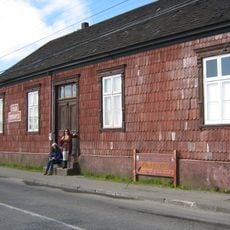
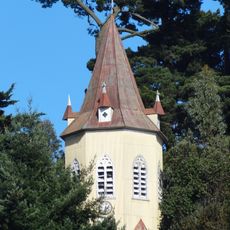
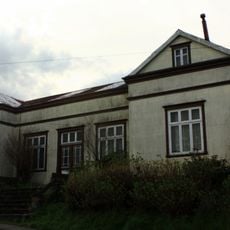
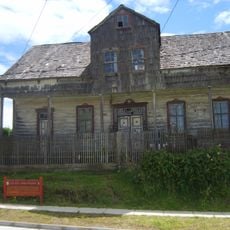
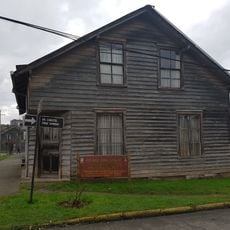
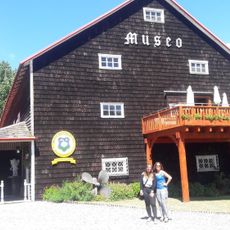
The Zona Típica de Puerto Varas is a heritage district covering about 13 hectares with buildings that date back to German settlement in the late 1800s. The zone includes residential homes, churches, and commercial structures built in wood with European architectural features and pitched roofs.
German settlers arrived in Puerto Varas in the late 1800s and established the architectural foundation that still defines the area today. In 1992, various buildings in the zone were officially declared historic monuments to protect their value as records of the city's development.
The zone reflects the arrival of German settlers in the late 1800s, whose building styles and traditions shaped the local character. You see their influence in the wooden houses, pitched roofs, and architectural details that remain central to how residents and visitors understand their town's identity.
The zone is compact and can be walked through in about two hours at a leisurely pace. Information panels are placed throughout the historic buildings and streets to help you understand the stories and details of the structures as you explore.
The Casa Kuschel, one of the most notable buildings, now houses the offices of Pumulin Park, showing how historic structures continue to serve active roles in the modern city. This blend of past and present keeps the zone feeling alive and in use.
The community of curious travelers
AroundUs brings together thousands of curated places, local tips, and hidden gems, enriched daily by 91,372 contributors worldwide.