Museo Colonial Alemán de Frutillar, Ethnographic and architectural museum in Frutillar, Chile
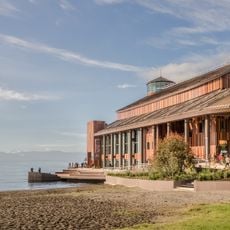
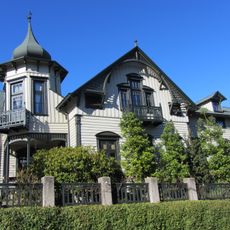
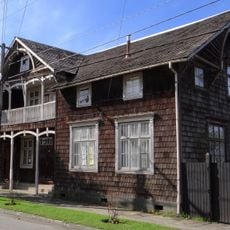
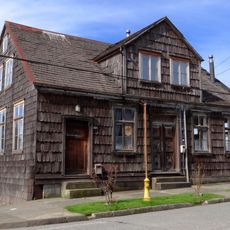
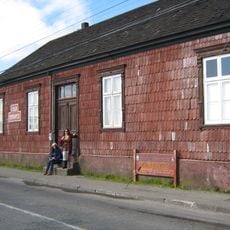
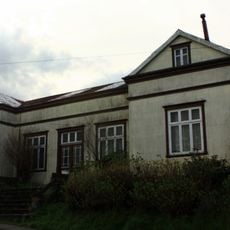
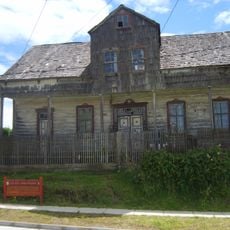
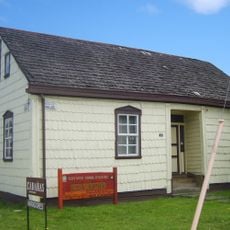
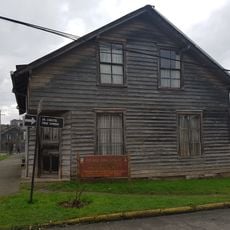
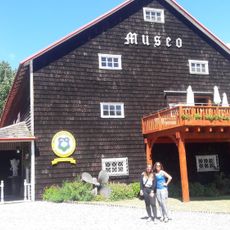
The Museo Colonial Alemán de Frutillar is an open-air museum of five wooden buildings clad in wooden shingles, opened on 28 January 1984. Its water mill, blacksmith's house, circular bell tower, and 1889 farmhouse with native-wood furniture illustrate German settler life around Lake Llanquihue.
German settlers reached the Llanquihue basin from 1852 under the state colonization decree. In 1979 the municipality of Frutillar gave the Universidad Austral de Chile three hectares of the former Richter family land; six master builders erected the water mill and smithy between 1982 and 1984, and the museum opened on 28 January 1984. The campanario followed in May 1984 and the farmhouse was completed in 1988–1989.
The collection reflects how German settlers organized their homes and worked the land, with period furniture and tools arranged to show daily routines. Walking through the rooms, you get a sense of how families lived and what mattered to them in this remote part of Chile.
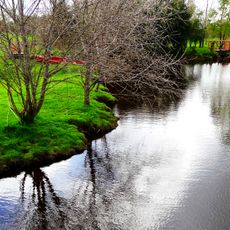
The museum occupies three hectares on a hill above Lake Llanquihue, with the casona at the top and the mill, smithy and bell tower below; paths and garden ponds link the five buildings. The terrain slopes, so allow time for walking between them.
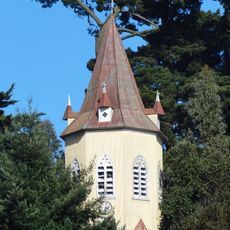
The watermill's wheel is turned by water from a canal and drove the stones that ground wheat; records point to a mill at Frutillar around 1870. The campanario, a circular Spanish-style farm shed, was used to thresh grain indoors, with horses and unshod mules walked in circles, because the area's heavy rains made outdoor threshing unreliable.
The community of curious travelers
AroundUs brings together thousands of curated places, local tips, and hidden gems, enriched daily by 92,853 contributors worldwide.