Museum of Precolombian Art, Art museum in Santiago, Chile
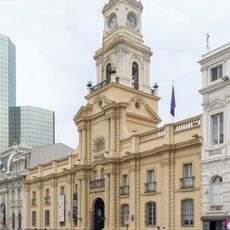
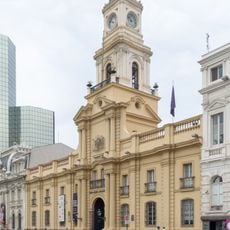
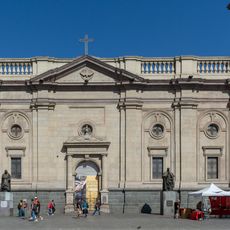
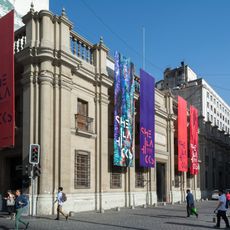
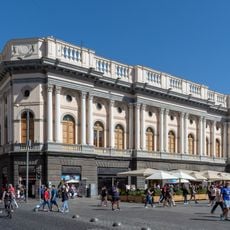
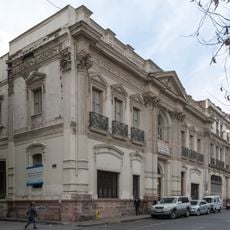
The Museum of Precolombian Art occupies the Palacio de la Real Aduana, built between 1805 and 1807 on Bandera street at the corner of Compañía, one block west of the Plaza de Armas. Its rooms hold more than 3,000 pieces from almost 100 groups across Mesoamerica, the Isthmo-Colombian area, the Caribbean, Amazonia and the Andes. A 2014 expansion by architect Smiljan Radić added 70% more space for exhibitions, storage and conservation.
Founded in 1981, the museum originated from an architect's private collection gathered over several decades of dedicated collecting. The building itself dates to the early 19th century and was later converted to house this specialized institution.
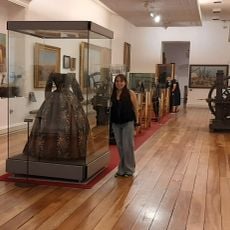
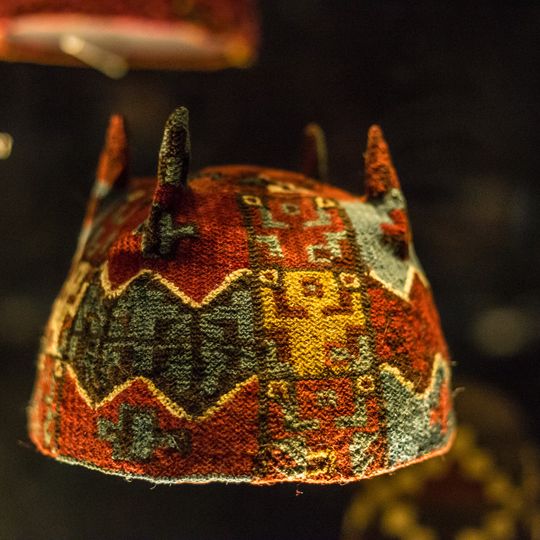
The museum's name comes from its focus on art made before Columbus, and objects were chosen for their aesthetic quality rather than their archaeological context. The textile collection includes a painted cloth from the Chavín culture almost 3,000 years old, and among the pieces are Chinchorro mummies, the oldest in the world. The museum has published its Boletín since 1985.
The museum is just one block from a metro station and is therefore easy to reach. Plan for at least two hours to explore the exhibitions without rushing through the displays.
The museum's oldest textile is a painted cloth nearly 3,000 years old from the Chavín culture, held in the Central Andes area. The same section displays Moche masks and copper figures, many of them recovered from graves.
The community of curious travelers
AroundUs brings together thousands of curated places, local tips, and hidden gems, enriched daily by 92,634 contributors worldwide.