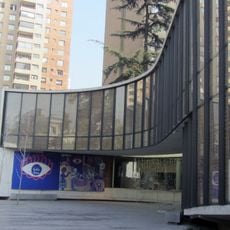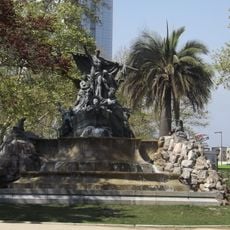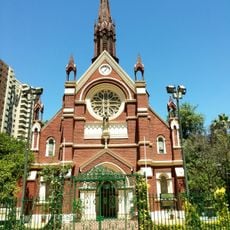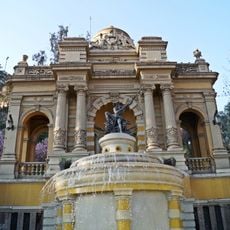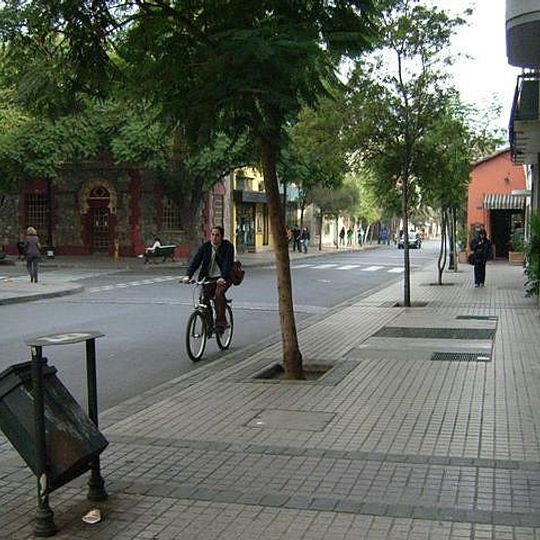
Barrio Lastarria, Cultural district in Santiago, Chile.
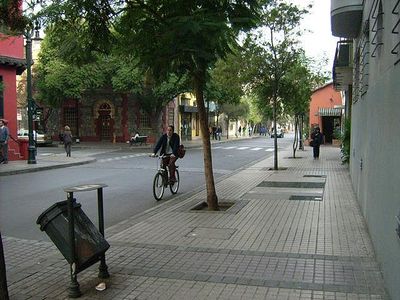
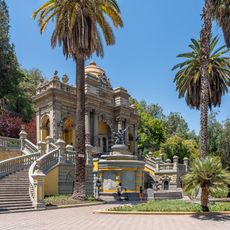
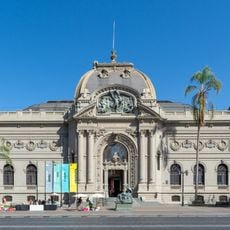
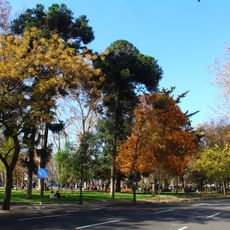
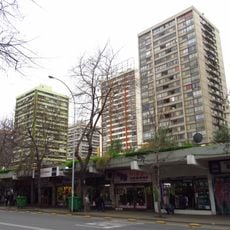
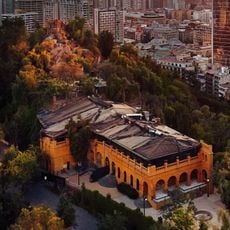
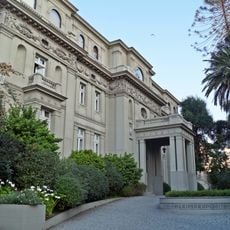
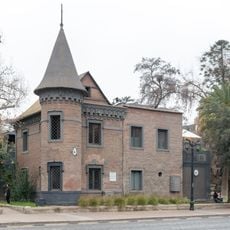
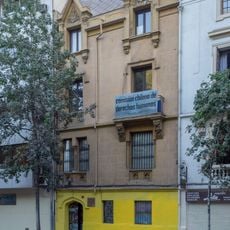
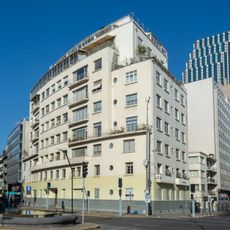
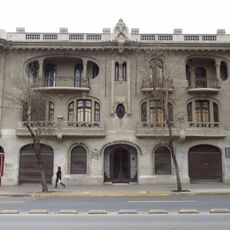
Barrio Lastarria is a neighborhood in Santiago, Chile, stretching between Santa Lucía Hill and Parque Forestal and known for its neoclassical architecture from the early 20th century. The stone-paved lanes run between low-rise buildings with wrought-iron balconies and facades that have kept their original details.
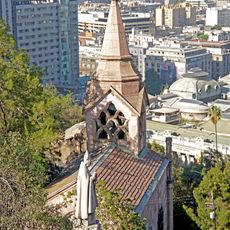
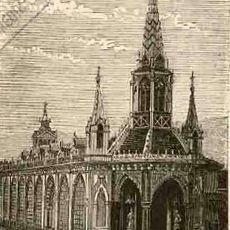
Settlement began in 1857 when the Iglesia de la Veracruz was built and wealthy families constructed European-style villas in the surrounding area. The neighborhood shifted from residential to cultural center during the 20th century, before gaining protected status in the 1980s.
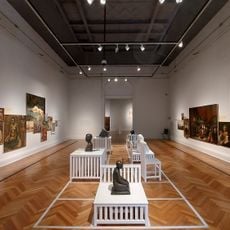
Named after writer José Victorino Lastarria, the area became a meeting point for artists and cultural workers who present their work in small bookshops and theaters throughout the streets. On weekends the sidewalk cafes fill with locals playing chess over coffee or reading newspapers while street musicians perform in the plazas.
Both Universidad Católica and Bellas Artes metro stations provide access points from which the whole area can be explored on foot. Most shops and eateries concentrate along José Victorino Lastarria Street, which is busiest during daytime.
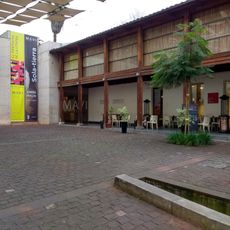
Plaza Mulato Gil de Castro, built in 1981, incorporates facades from the early 19th century that were relocated here during construction. The plaza hosts an antiques market on weekends where vendors sell old books, coins, and household items from past decades.
The community of curious travelers
AroundUs brings together thousands of curated places, local tips, and hidden gems, enriched daily by 60,000 contributors worldwide.