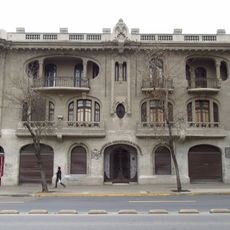
Palacio Bruna, Manor house in Merced Street, Santiago, Chile
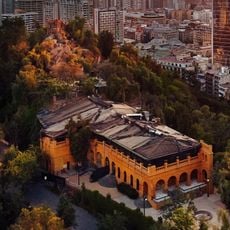
Palacio Bruna is a three-story building in Santiago with Italian Renaissance architecture, tall columns, large windows, and terraces decorated with garland friezes on the facades. The structure brings Italian palazzo styles into the South American context with deliberate elegance.
Augusto Bruna, a saltpeter magnate, commissioned the palace in 1916 from architect Julio Bertrand, who died of tuberculosis before its completion in 1921; his friend Pedro Prado finished the works. The Bruna family never lived there: the collapse in saltpeter prices bankrupted the business and the house was put up for sale in 1921. The U.S. ambassador bought it, and it served as the American embassy until 1962.
The interior displays green and black Italian marble walls, symmetrical staircases, and European wood parquet flooring that reflect how wealthy Santiago residents embraced European elegance in the early 20th century. These details show what styles and materials the local upper class valued at that time.
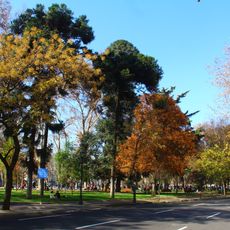
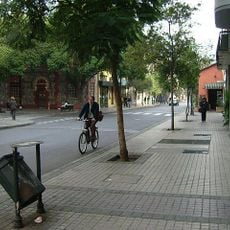
The building stands on Merced Street across from Parque Forestal and has housed the Chilean National Commerce Chamber since 1995. Its central location makes it easy to visit on foot and include in a walk through the area.
On 12 March 1968 a bomb planted in the women's bathroom of the building, then the US consulate, exploded there. The palace also has a winter garden with stained glass and a double-height entrance hall lit by a large glass lamp hanging from a skylight decorated with stained glass.
The community of curious travelers
AroundUs brings together thousands of curated places, local tips, and hidden gems, enriched daily by 92,783 contributors worldwide.