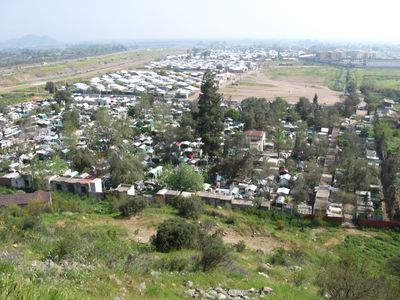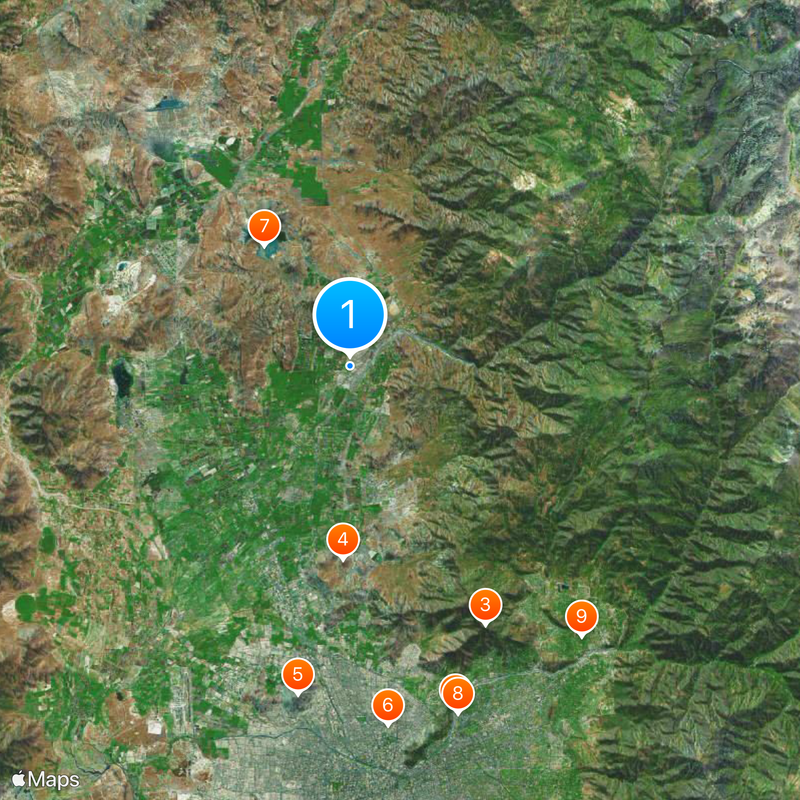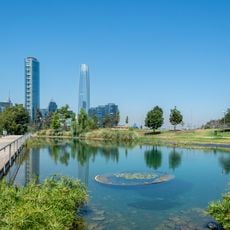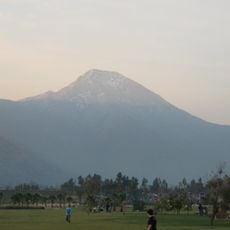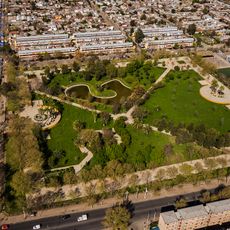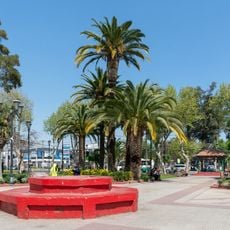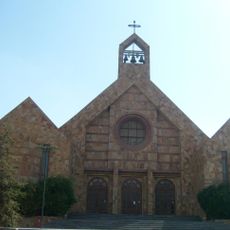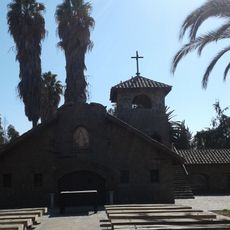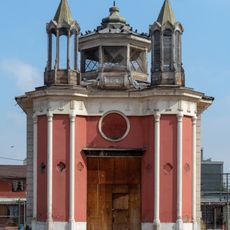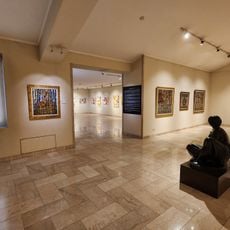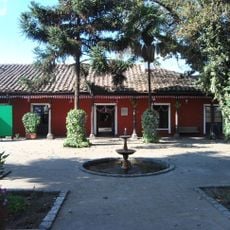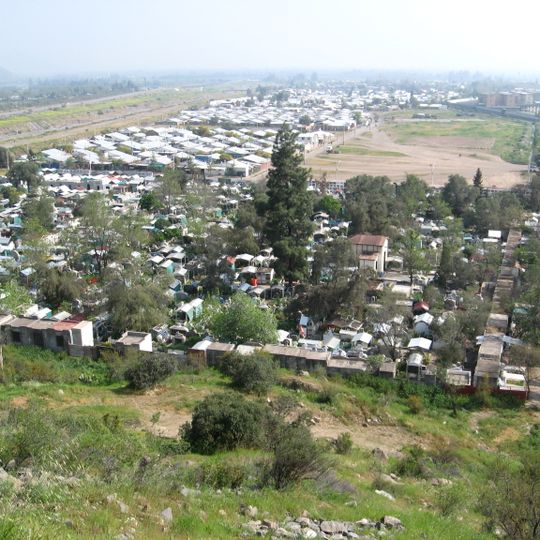
Colina, Metropolitan city in Santiago Region, Chile.
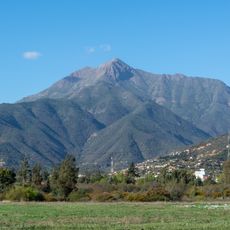
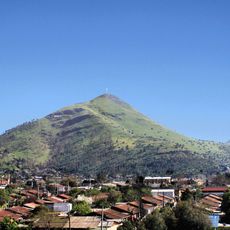
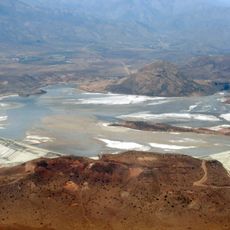
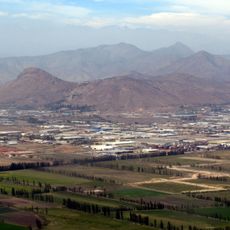
Colina is a commune located about 30 kilometers north of Santiago in the Santiago Region. The municipality sits at roughly 600 meters elevation and includes two notable lakes, Ayres and Piedra Roja, which shape its geography and water resources.
The area's first human settlements date back to the Holocene period, when ancient cultures such as Bato, Llolleo, Aconcagua, and Diaguita left their mark. These pre-Columbian peoples shaped the region for thousands of years before Spanish arrival.
The name Colina comes from the Mapuche language meaning partridge, though another interpretation connects it to a Quechua chief named Colinura. This dual origin reflects the indigenous roots that shaped the region long before it became a modern city.
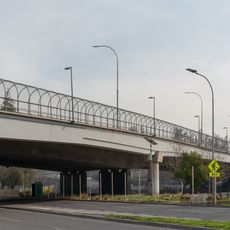
The city is well connected to Santiago and Argentina through the General San Martin and Los Libertadores highways, making travel straightforward. Visitors should prepare for intense summer heat, as temperatures can exceed 40 degrees Celsius (104 degrees Fahrenheit).
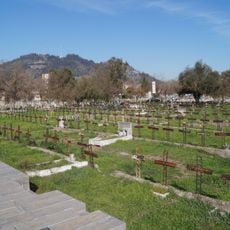
The area holds significant archaeological remains that reveal how multiple ancient cultures lived and coexisted over thousands of years. The excavation sites show how different peoples adapted to the valley's environment and made use of its resources.
The community of curious travelers
AroundUs brings together thousands of curated places, local tips, and hidden gems, enriched daily by 91,488 contributors worldwide.