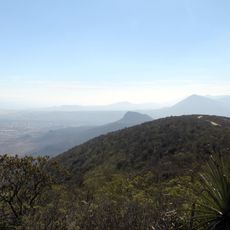
Raja de Manquehua - Poza Azul, Natural reserve with karst spring in Salamanca, Chile
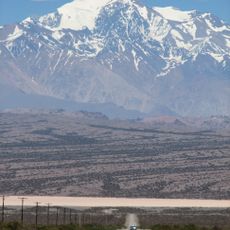
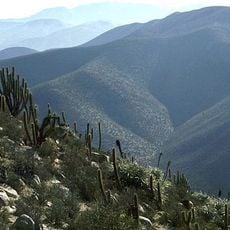
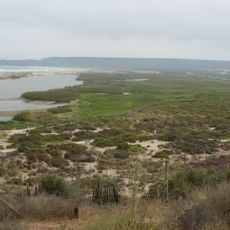
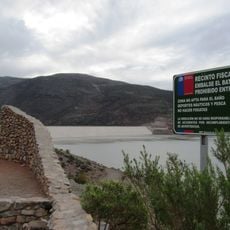
Raja de Manquehua - Poza Azul is a rock wall in the Choapa province whose 2,300-metre mass is split from base to near summit by a large fissure, the crack that gives the site its name. The Poza Azul is a body of water within the roughly 2,242-hectare ravine, combining geological, hydrological and plant elements that make the area an oasis in the surrounding semidesert.
The reserve received official protection in 2018 when the Chilean government designated it through a formal decree. This formal recognition marked a turning point in efforts to safeguard the geological and biological features of the area.
The site is called Apu Manquehua: apu, from Quechua, means sacred mountain, and Manquehua, from Mapudungun, means nest of condors. Salamanquino historian and writer Jorge Saldívar calls the Raja and the Poza Azul the true symbol of the commune, surrounded by myths and legends. Residents voted it one of the Tesoros de Choapa through the Somos Choapa programme.
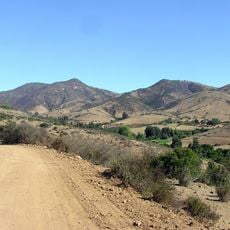
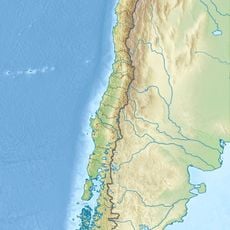
Access is via local roads from the villages of Cunagua and Arboleda Grande, about 25 km northeast of Salamanca, in a difficult-to-reach area; a vehicle suited to rough tracks is needed. The site lies east of the confluence of the Illapel and Choapa rivers, in a ravine within a protected area of roughly 2,242 hectares.
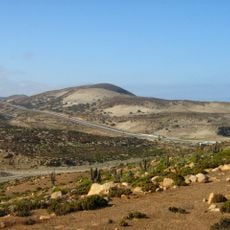
A major geological fault runs through the landscape for many kilometers, creating a deep split where the blue water pool called Poza Azul appears like an oasis. This water-filled depression draws birds and other wildlife to the otherwise dry terrain, offering a striking visual surprise.
The community of curious travelers
AroundUs brings together thousands of curated places, local tips, and hidden gems, enriched daily by 92,917 contributors worldwide.