Ticsani, Stratovolcano in Moquegua Region, Peru
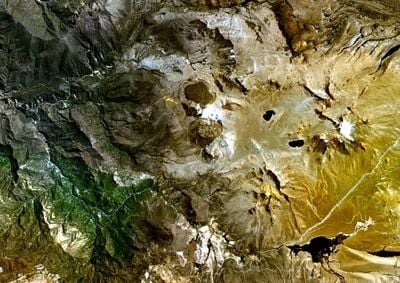
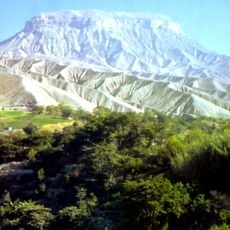
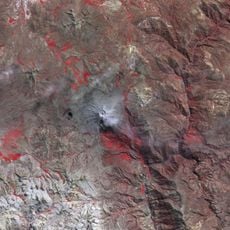
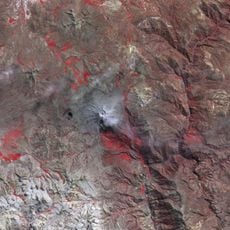
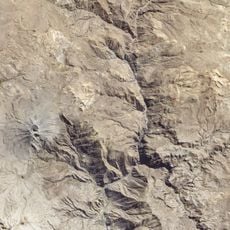
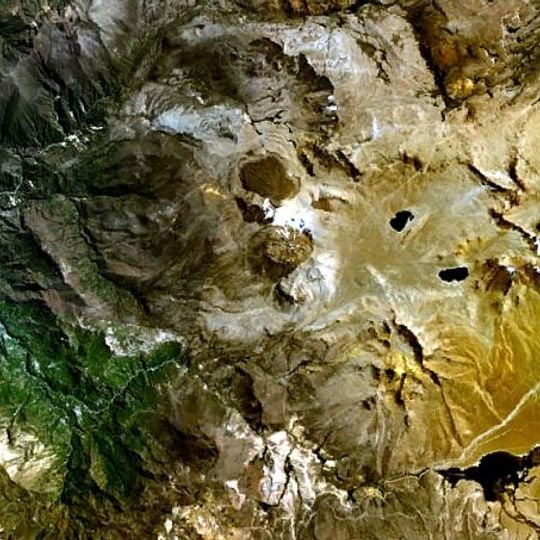
Ticsani is a stratovolcano in southern Peru with three prominent lava domes reaching about 5,200 meters at its highest point. The volcanic complex sits in the Moquegua region and displays layered geological formations typical of this type of mountain.
The mountain formed through repeated volcanic activity over extended periods in the distant past. In prehistoric times, major eruptions ejected significant volumes of material into the surrounding valleys and shaped the landscape.
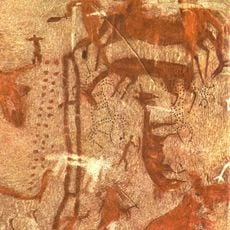
The mountain holds meaning for local communities who visit it during important times of the year and incorporate it into their traditional practices. Seasonal gatherings and local customs keep this connection alive in the region.
The area is sparsely populated and the terrain is challenging, so proper preparation is essential for any visit. Weather conditions change rapidly at elevation, and access becomes harder during the rainy season, making drier months more suitable.
The mountain's surface shows two distinct color patterns resulting from two major eruption phases in more recent geological time. These color differences remain visible today and reveal the distinct phases of the volcanic development.
The community of curious travelers
AroundUs brings together thousands of curated places, local tips, and hidden gems, enriched daily by 91,379 contributors worldwide.