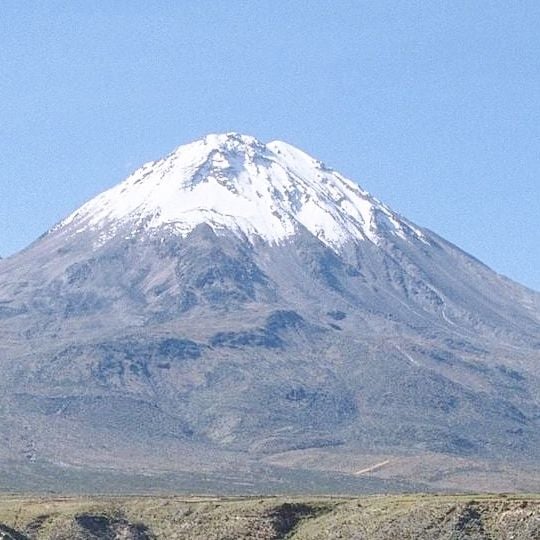
Yucamane, Stratovolcano in Tacna Region, Peru
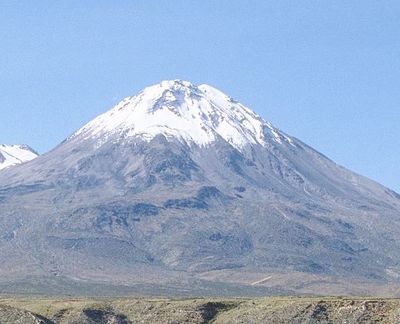
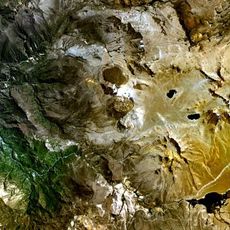
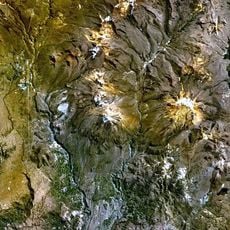
Yucamane is a stratovolcano in the Tacna region that rises to about 5,500 meters with a wide summit crater and a smaller inner crater. These two crater structures shape the profile of this volcano in the southern Peruvian Andes.
The last confirmed eruption of Yucamane occurred around 1320 BCE, though some later volcanic activity in the region may have been incorrectly attributed to it. Some of that activity might actually have come from the nearby volcano Tutupaca.
The volcano forms part of Peru's Central Volcanic Zone, generated by the Nazca Plate subduction beneath the South American continental plate.
Access is provided by the international Ilo-Desaguadero highway that runs past the volcano and serves the region. The nearby town of Candarave lies a short distance to the southwest and serves as the closest settlement in the area.
The volcano releases fumaroles from its summit crater, and the surrounding waters naturally contain arsenic from the rocks. This arsenic-bearing water flows through the river system into the Locumba River and shapes the hydrochemistry of this southern Andean area.
The community of curious travelers
AroundUs brings together thousands of curated places, local tips, and hidden gems, enriched daily by 90,823 contributors worldwide.