Huaca Malena, archaeological site in Lima Department, Peru
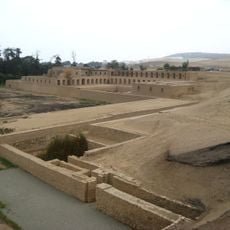
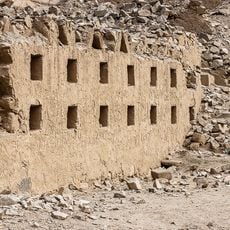
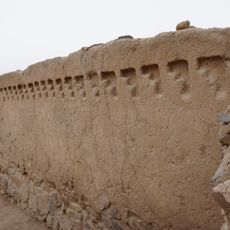
Huaca Malena is an archaeological site in the Lima region about 100 kilometers south of the city, known for its adobe brick platforms and stone terraces. The layout spreads across multiple levels and served both as a burial ground and ritual gathering place for ancient inhabitants.
The site was inhabited between the 7th and 10th centuries, primarily by the Wari culture that had expanded through the region. Later, the Incas also occupied it and incorporated it into their network of settlements.
The name Huaca Malena comes from the Quechua language and refers to a sacred shrine. The textiles discovered there display patterns and designs that reflect the social roles and ritual purposes of Wari culture and remain visible in the displays today.
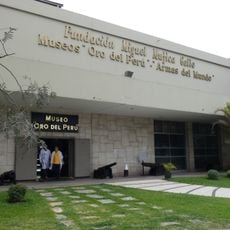
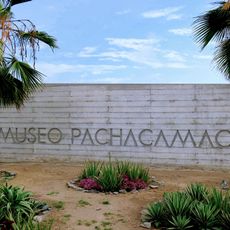
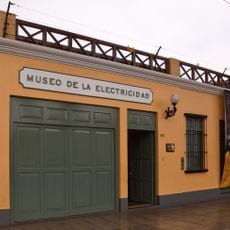
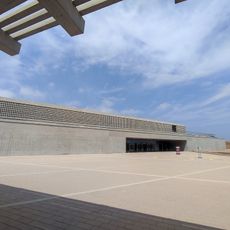
The location is near the town of Asia and about ninety minutes from Lima, making it fairly accessible for visitors. A small museum on-site displays artifacts and information about the site's history, providing a good starting point for understanding what you see.
The textiles at this site display over 32 different weaving techniques, including tapestry, brocade, and double cloth, making them valuable examples of ancient craftsmanship. This remarkable variety of techniques is rarely found at a single location and speaks to the great skill of ancient weavers.
The community of curious travelers
AroundUs brings together thousands of curated places, local tips, and hidden gems, enriched daily by 92,444 contributors worldwide.