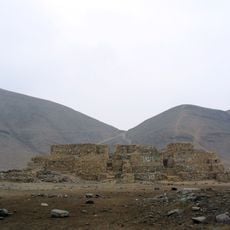
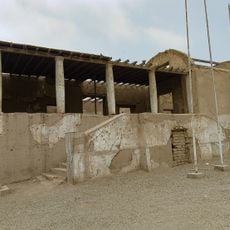
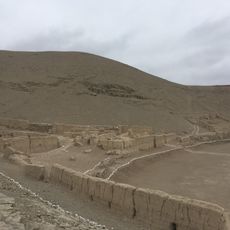
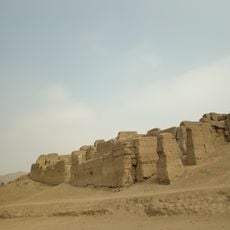
Huaca Tungasuca, Archaeological site in Comas District, Lima, Peru
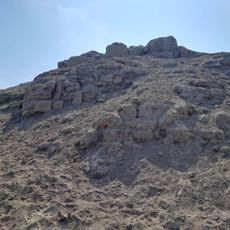
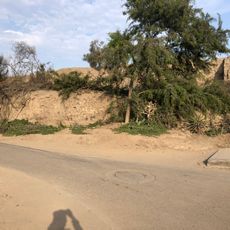
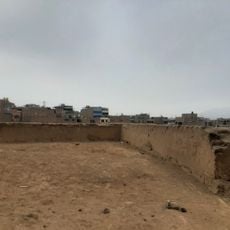
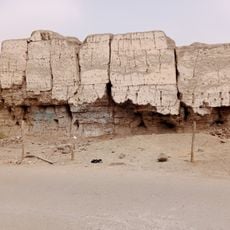
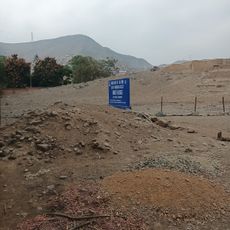
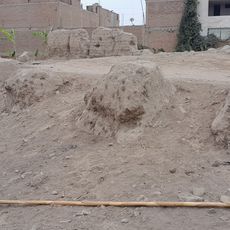
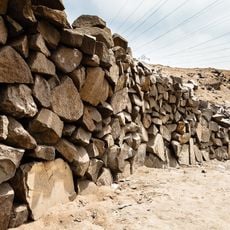
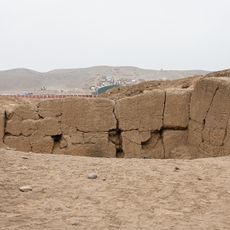
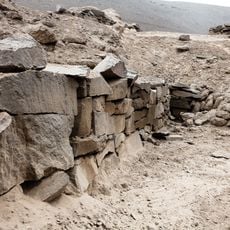
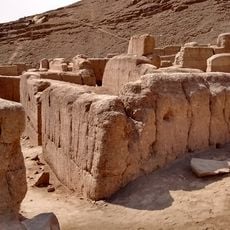
Huaca Tungasuca is a surviving stretch of an epimural road: a thick adobe rampart built by the Colli culture, with a walkable top 0.5 to 1 m wide and 410 m of its length preserved. Access stairs led onto the wall, which runs through the Tungasuca urbanization between Comas and Carabayllo.
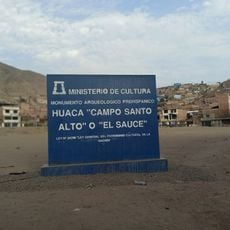
Built around 1100 AD by the Colli culture, the wall had two phases: the first in the late Intermediate period, with ceramics close to the Colli-Ychsma style, and a second in the Late Horizon, when Ychsma-Inca pottery appears and the site took on another function. It was declared National Cultural Heritage on 3 September 2001 by Resolution RDN No. 890/INC-2001.
The name Tungasuca comes from the nearby urbanisation of the same name in Carabayllo. The wall was built by the Colli culture, part of the Ichma polity centred on Pachacamac, and served to defend them and other peoples from the cantas and atavillos, who fought for the Quivi area, producer of the region's best coca. Beans embedded in the adobe walls remain unexplained; specialists suggest a possible magico-religious link.
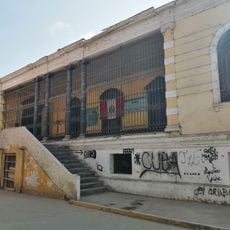
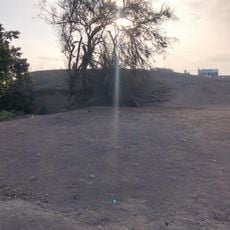
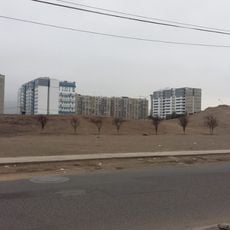
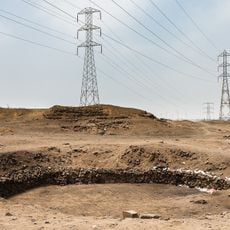
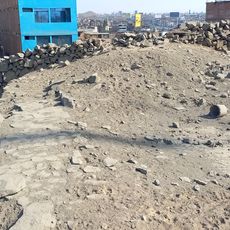
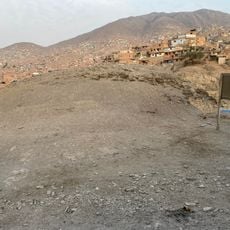
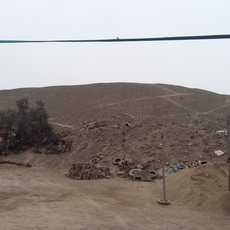
The wall lies in the Tungasuca urbanization, about 450 m from Av. Universitaria, at the crossing of Av. Condorcanqui and Av. Unión. Neighbours cut the site in two, so Sector B, southwest toward Av. Condorcanqui, keeps the best-preserved stretch and a curved course. The ground is flat and easy to walk, but the area is used as a dump and for loitering, so go with a group in daylight.
The name Tungasuca comes from the nearby urbanisation of the same name in Carabayllo, not from the Colli builders. Another detail visitors often miss: beans are embedded in the clay walls, and specialists have not explained why, though some suggest a magico-religious link.
The community of curious travelers
AroundUs brings together thousands of curated places, local tips, and hidden gems, enriched daily by 94,114 contributors worldwide.