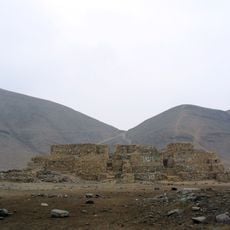
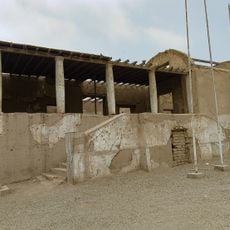
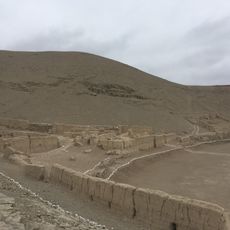
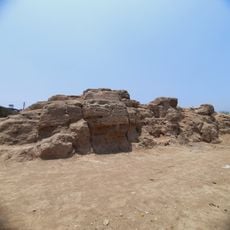
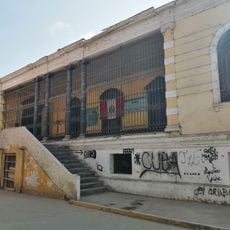
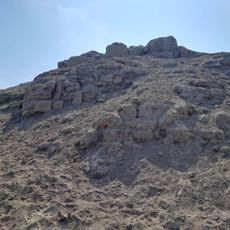
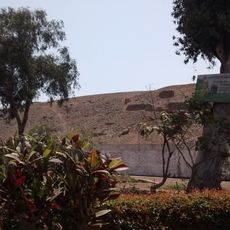
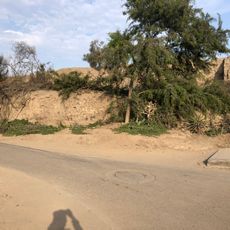
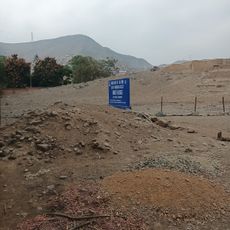
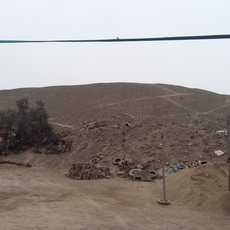
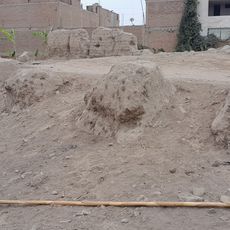
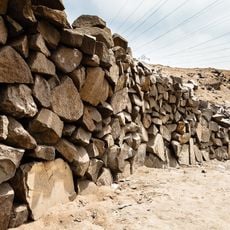
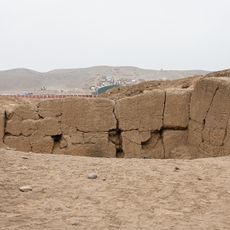
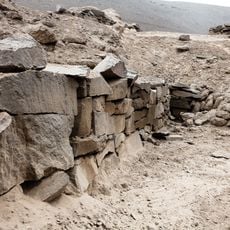
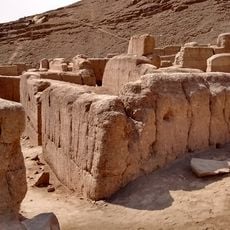
Tambo Inga, Archaeological site in Puente Piedra, Peru.
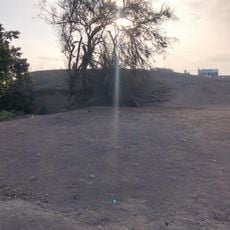
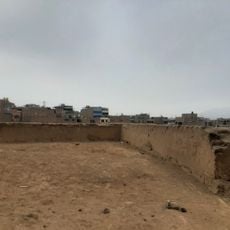
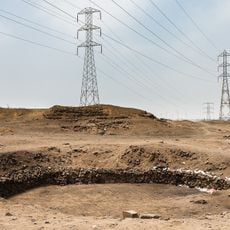
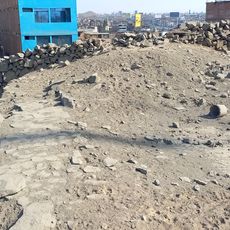
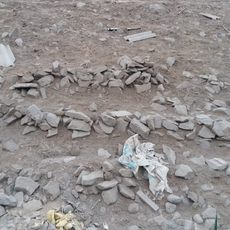
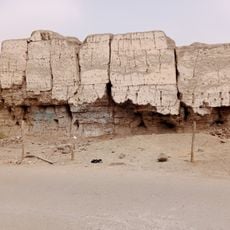
Tambo Inga is an archaeological site in Puente Piedra with structures made of adobe, stone, and clay walls divided across three distinct sectors. The remains show buildings that served both administrative and ceremonial functions.
Tambo Inga was built between 1475 and 1480 under Túpac Yupanqui at the junction of the coastal road and the road climbing to the Canta highlands. It served as the administrative seat of the Huno de Carabayllo, where Inca officials collected tribute and stored resources from the Chillón valley and the fishing grounds of Ancón.
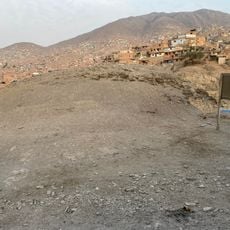
Tambo Inga was a centre for weaving, with cotton from the surrounding valley as its key raw material. The complex also stored the region's produce for the Tahuantinsuyo and lay near the Chillón River, whose valley agriculture and the fishing off Ancón it helped oversee. Visitors today see the three sectors: the buildings, an open esplanade and two earthen mounds.
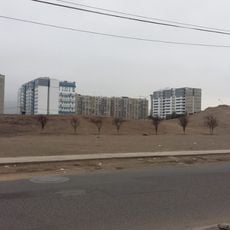
The site sits next to built-up areas and is vulnerable to damage, so visitors should move carefully and respect the boundaries. It helps to visit during daylight hours when there is enough light to explore the three sectors effectively.
Excavations in 2017 revealed Cuchimilco figurines and ceremonial ceramics that show this location had a special role in burial rituals. These artifacts differ from other Inca sites and point to local craft traditions specific to this place.
The community of curious travelers
AroundUs brings together thousands of curated places, local tips, and hidden gems, enriched daily by 94,162 contributors worldwide.