El Paraíso, Archaeological site in San Martín de Porres District, Peru.
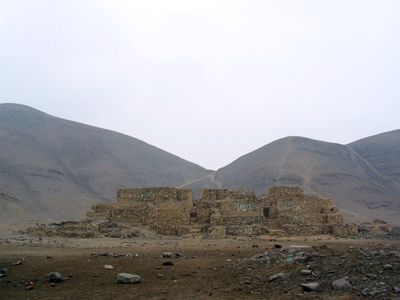
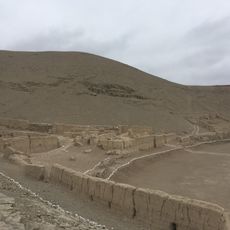
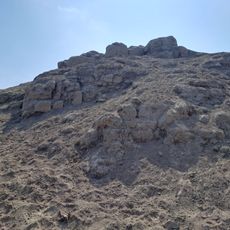
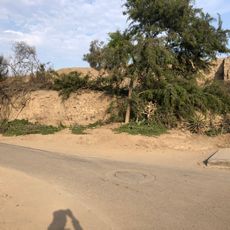
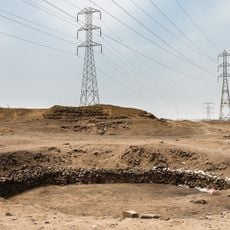
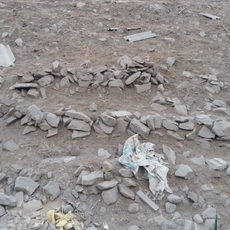
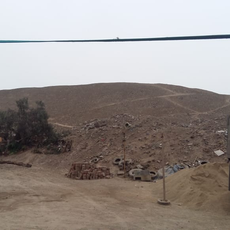
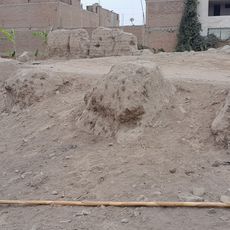
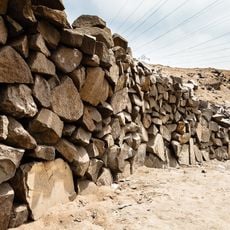
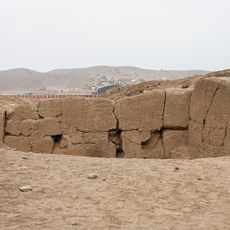
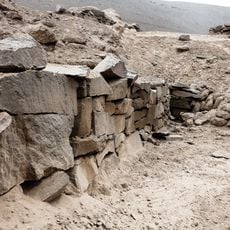
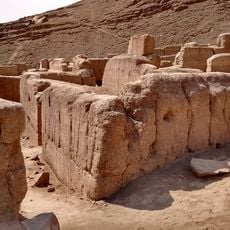
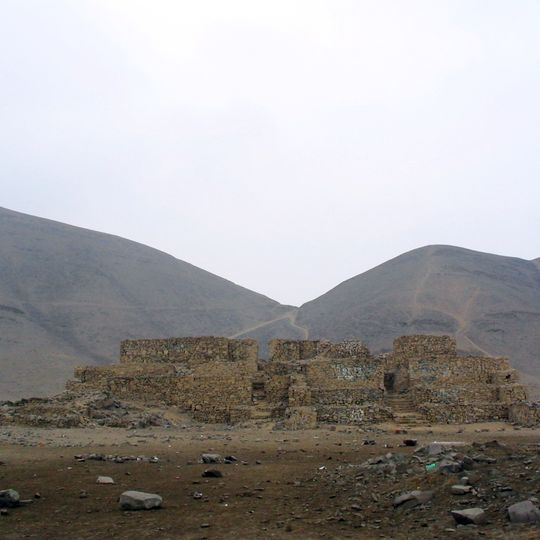
El Paraíso is a pre-Columbian site with 15 pyramids spread across 50 hectares in San Martín de Porres District. The complex forms a U-shape around a central plaza, with the surviving walls and terraces made of stone and adobe bricks.
Louis Stumer began excavations in the 1950s, uncovering structures from around 2200 BC and making this one of the earliest settled areas in the region. Later work revealed multiple building phases over centuries, during which inhabitants expanded the pyramids and adapted their rituals to changing conditions.
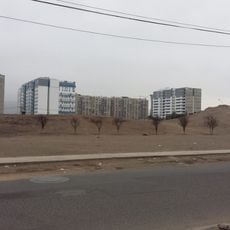
The grounds show remains of residential areas and ceremonial rooms that archaeologists study daily, retracing the original construction techniques. Visitors can recognize how early coastal inhabitants shaped stones and adobe bricks for ritual buildings that still mark the cityscape at the edge of the metropolis today.
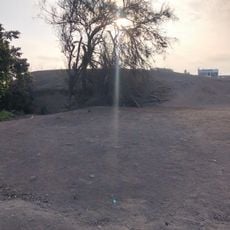
Access to the complex is regulated by the Peruvian Ministry of Culture, and visitors must obtain permission in advance. Paths cross unpaved ground, so sturdy footwear is recommended, and early morning hours offer more comfortable temperatures for walking around.
Archaeologists discovered an underground temple room with the burial of a high-ranking woman, offering insights into social structure from 3700 years ago. The findings also include textile fragments and fishing gear, showing how closely life by the sea was linked to religious practices.
The community of curious travelers
AroundUs brings together thousands of curated places, local tips, and hidden gems, enriched daily by 91,404 contributors worldwide.